
now
WHAT IS IYENGAR YOGA?
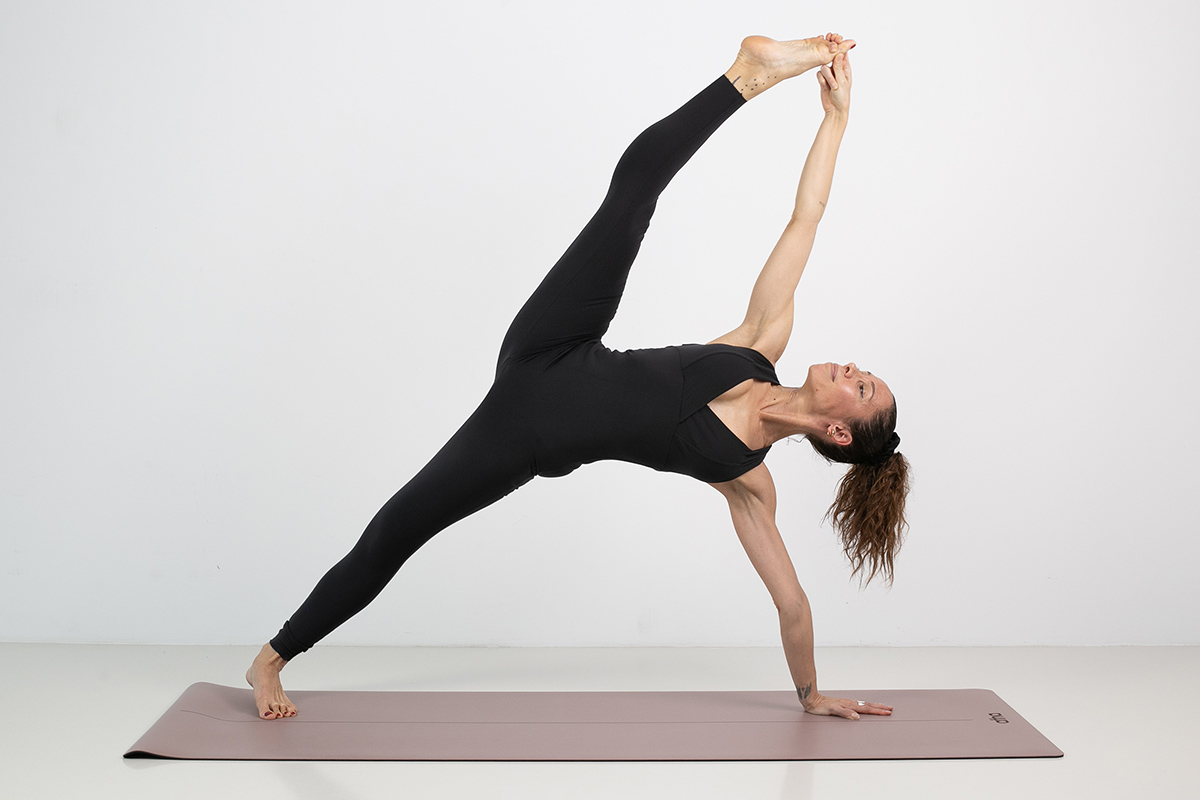
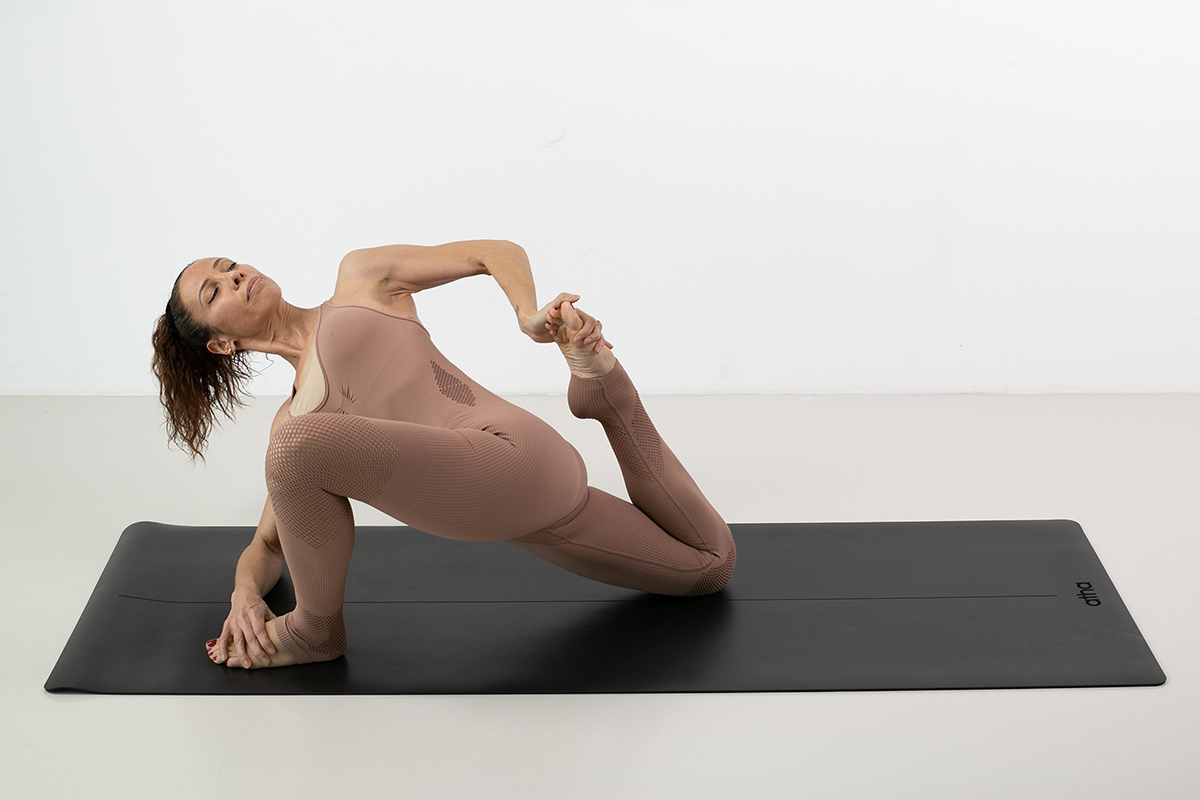
Iyengar yoga is a form of yoga that focuses on precise alignment and the use of props to help practitioners achieve correct alignment and greater flexibility. The practice is named after its founder, B.K.S. Iyengar, who developed the method in the mid-20th century. Iyengar yoga is known for its attention to detail and its therapeutic benefits.
In an Iyengar yoga class, students will typically hold poses for longer periods of time and focus on correct alignment and body positioning. Props such as blocks, straps, and blankets are used to help students achieve proper alignment and support the body during poses. The practice is designed to help individuals develop greater strength, flexibility, and stability, while also promoting mindfulness and relaxation. Iyengar yoga is characterized by a strong emphasis on precision and attention to detail, with teachers offering individualized guidance and adjustments to help students refine their alignment and deepen their practice. The method is suitable for individuals of all levels, including those with injuries or physical limitations.
In addition to its physical benefits, Iyengar yoga is also known for its therapeutic benefits, with practitioners using the method to manage a variety of health conditions, including chronic pain, arthritis, and anxiety. The practice is also known for its emphasis on spiritual development and self-awareness, with students encouraged to cultivate a deeper connection to their bodies, minds, and spirits.


CORK Yoga Mats


Yoga Blocks
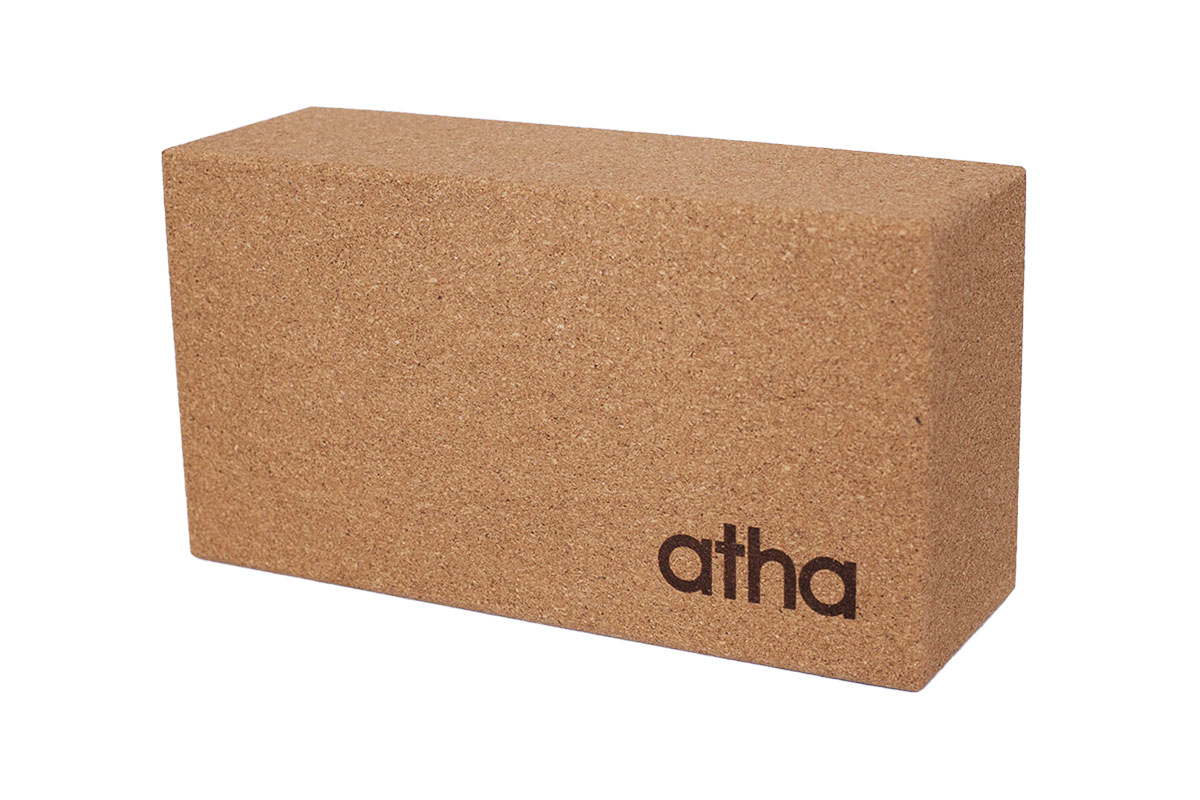

Yoga Blocks
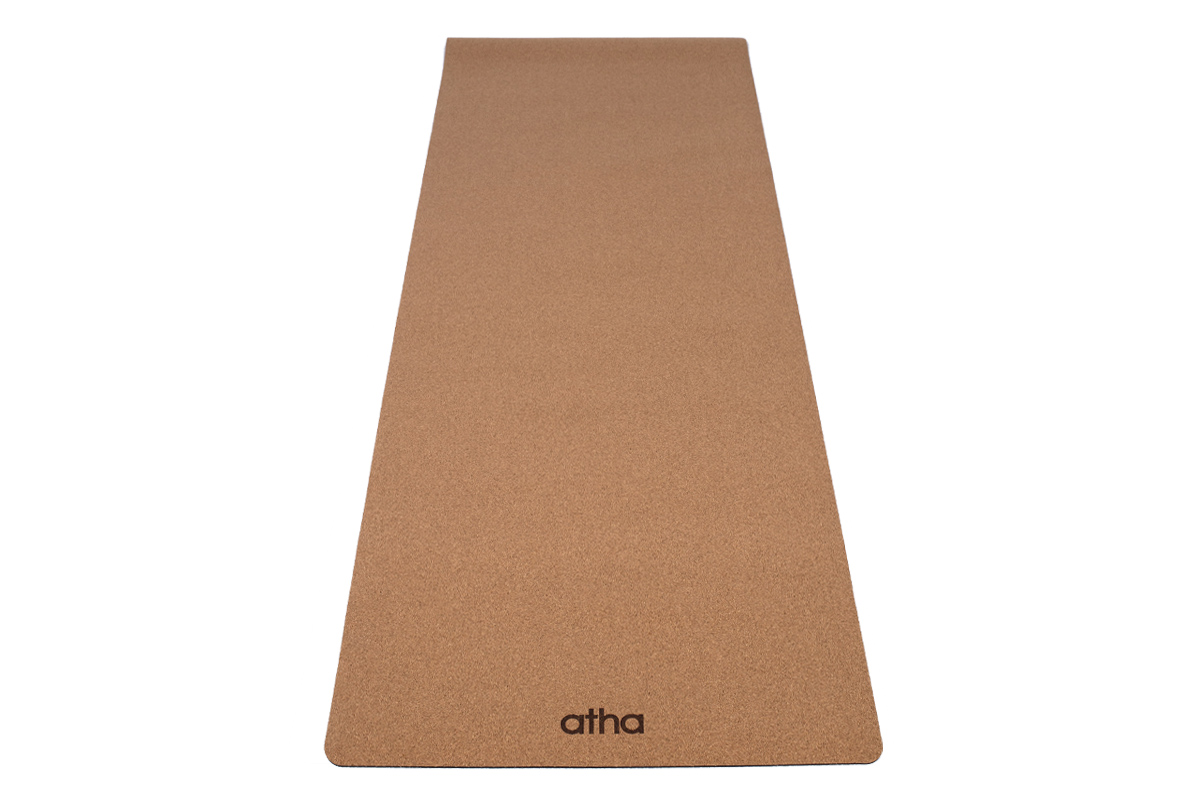

CORK Yoga Mats


Meditation Cushions


PRO Travel Yoga Mats
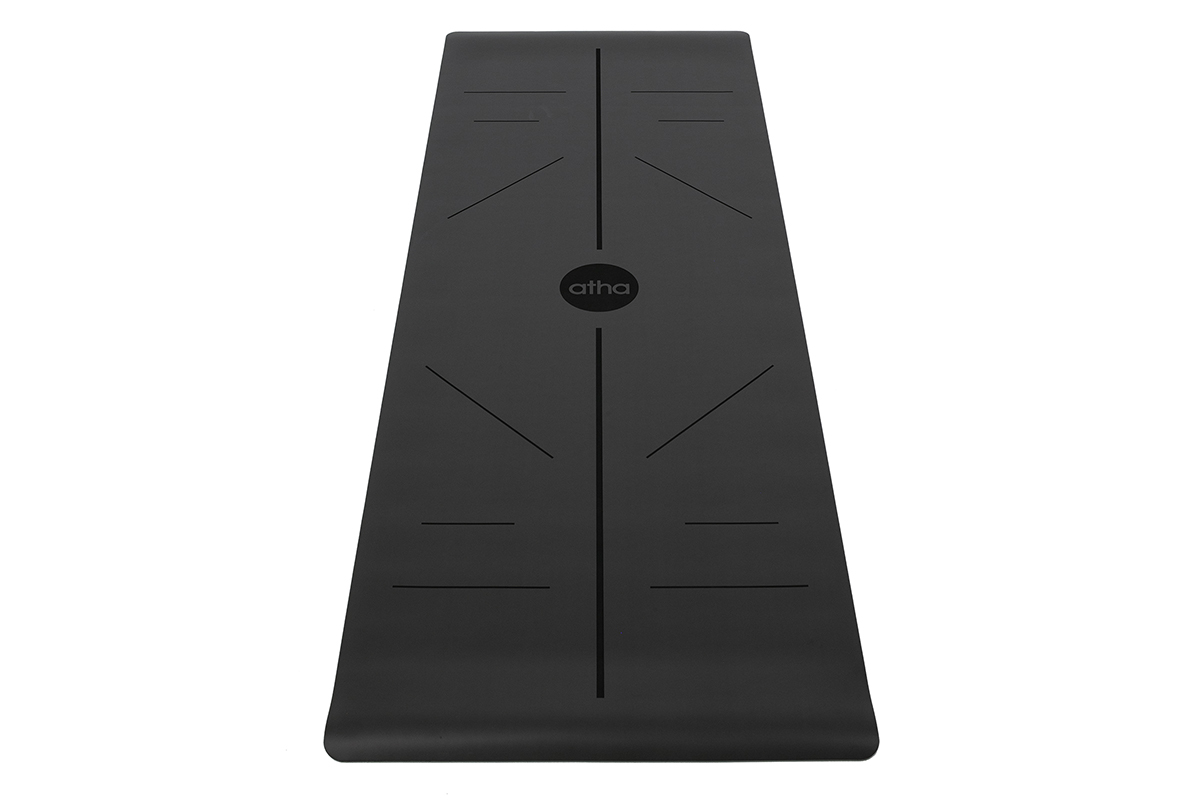
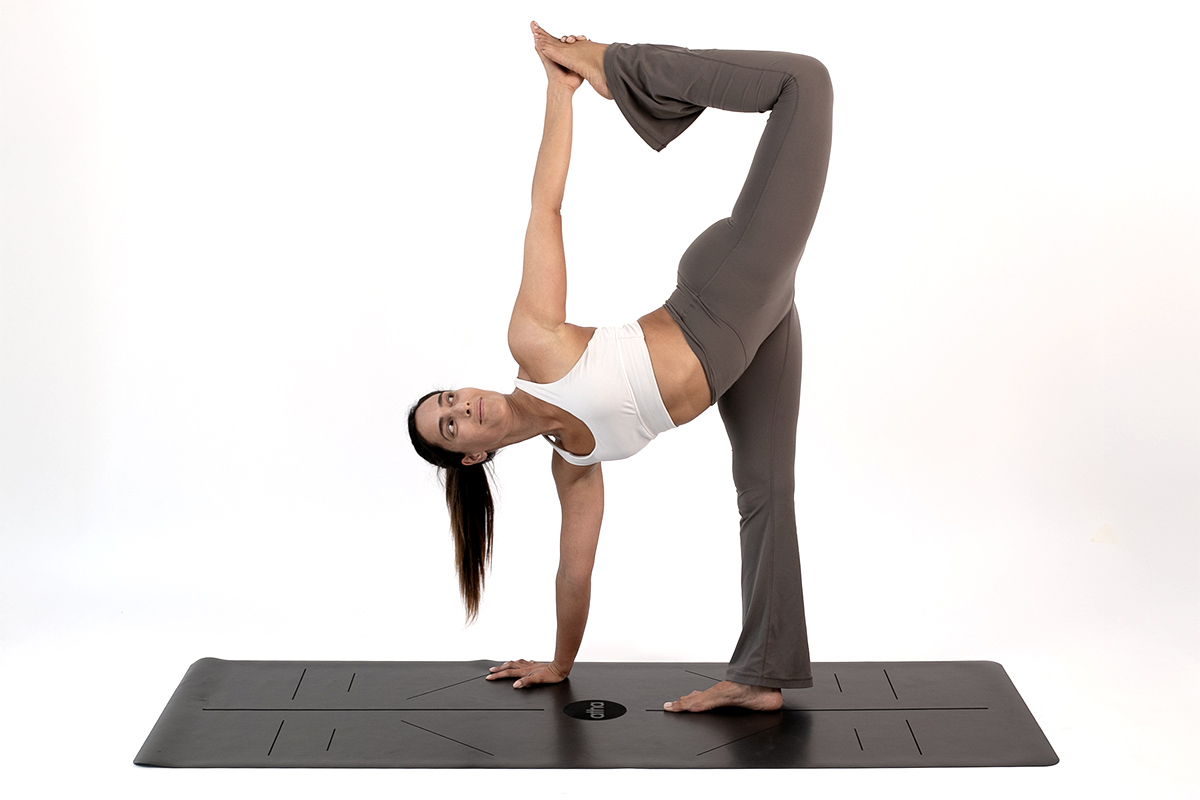
PRO Travel Yoga Mats
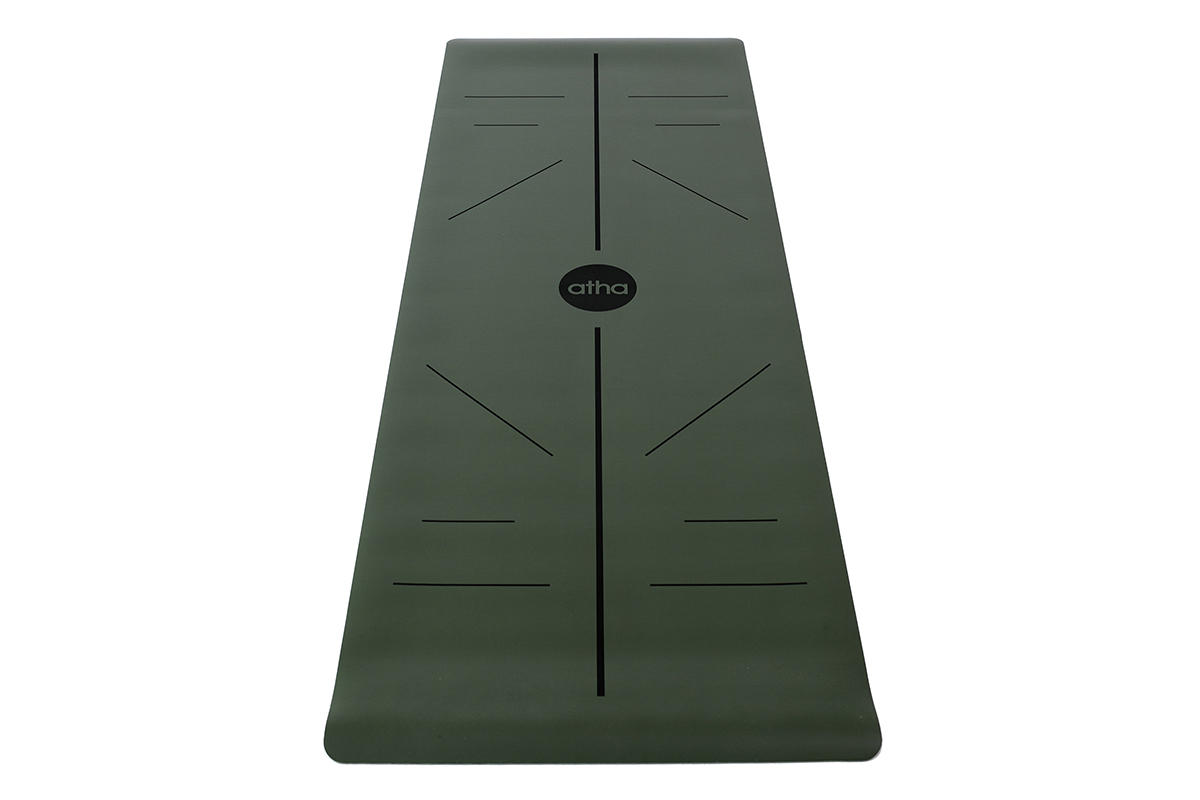
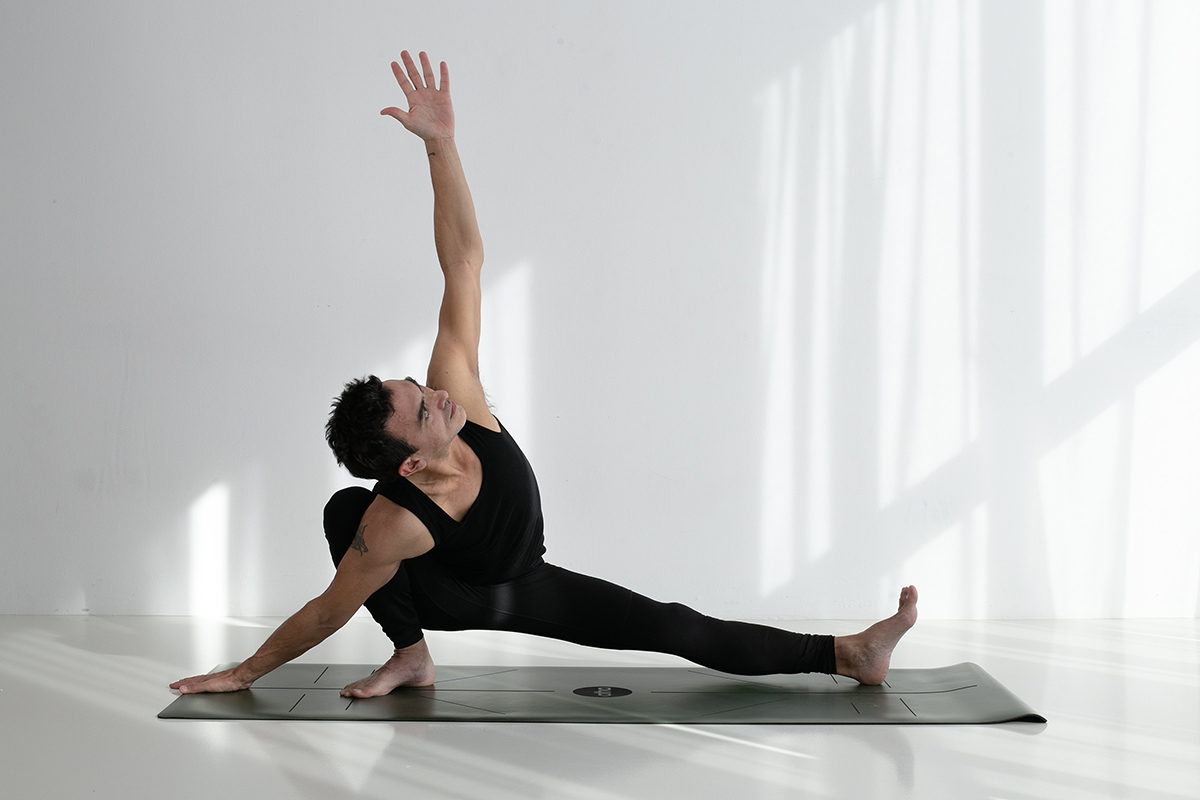
PRO X Yoga mats
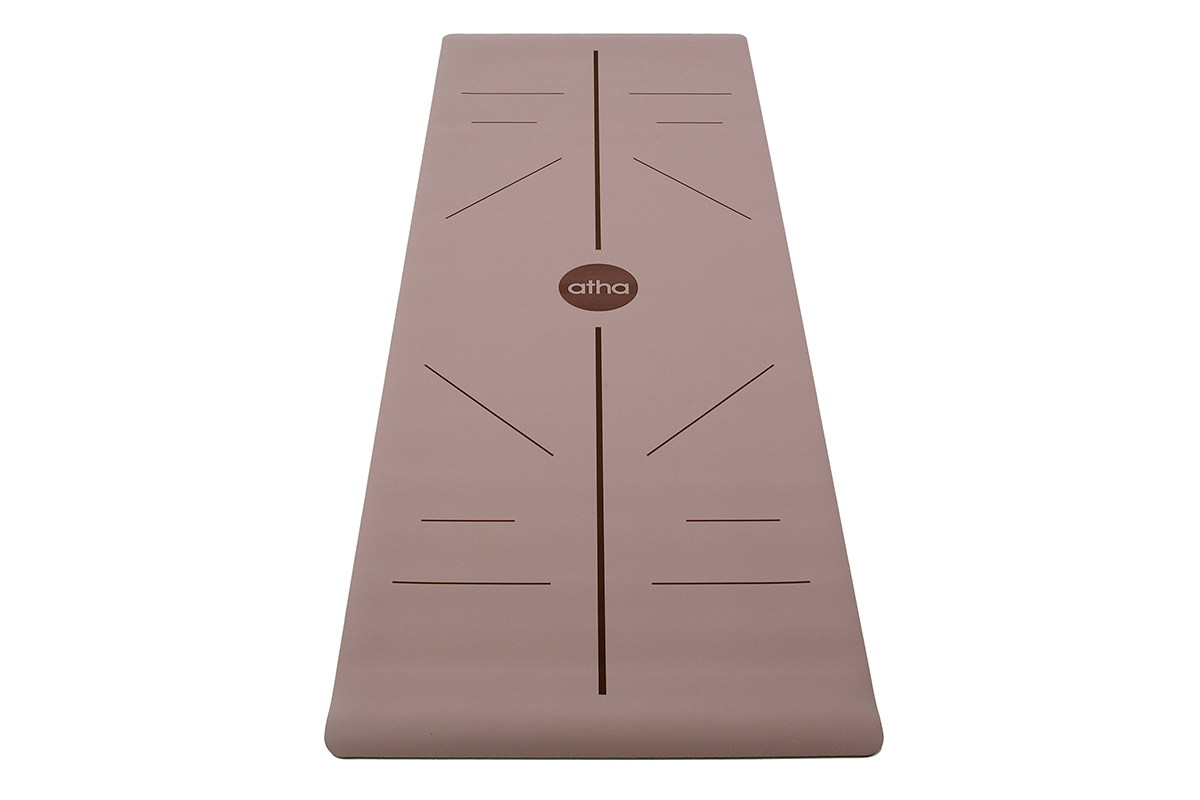
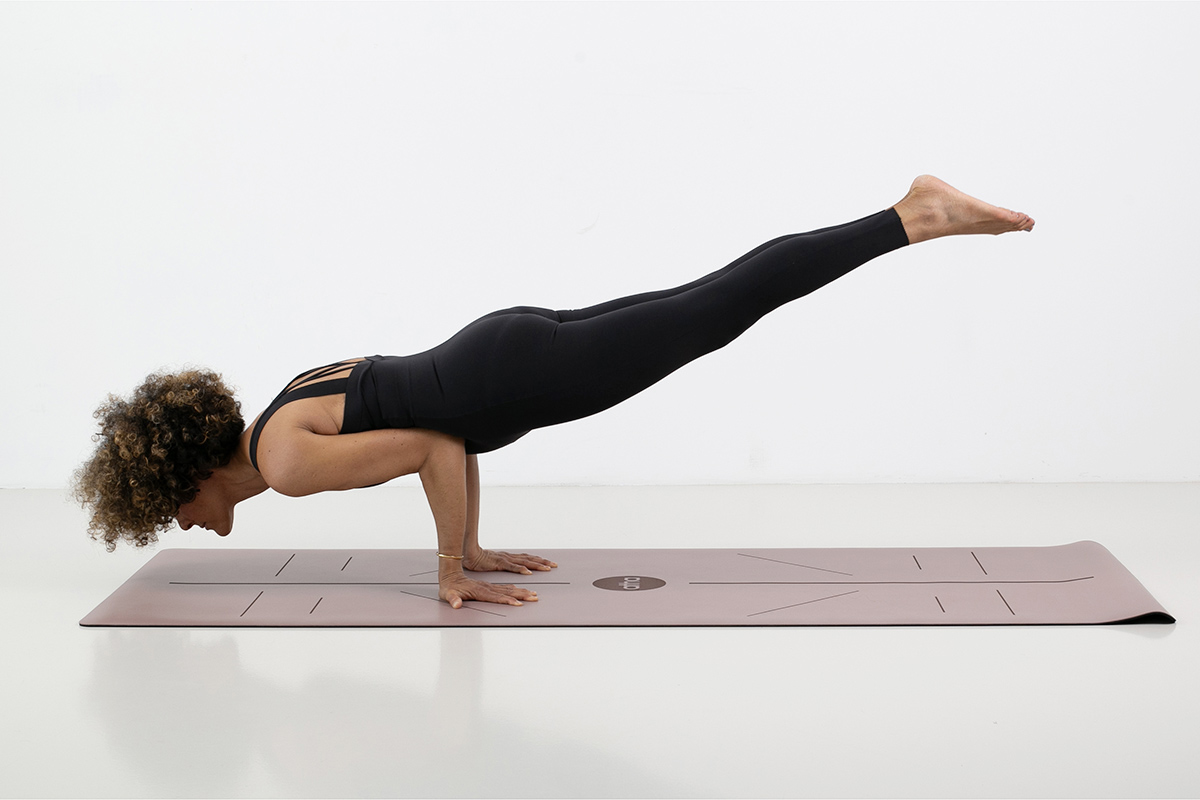
PRO X Yoga mats
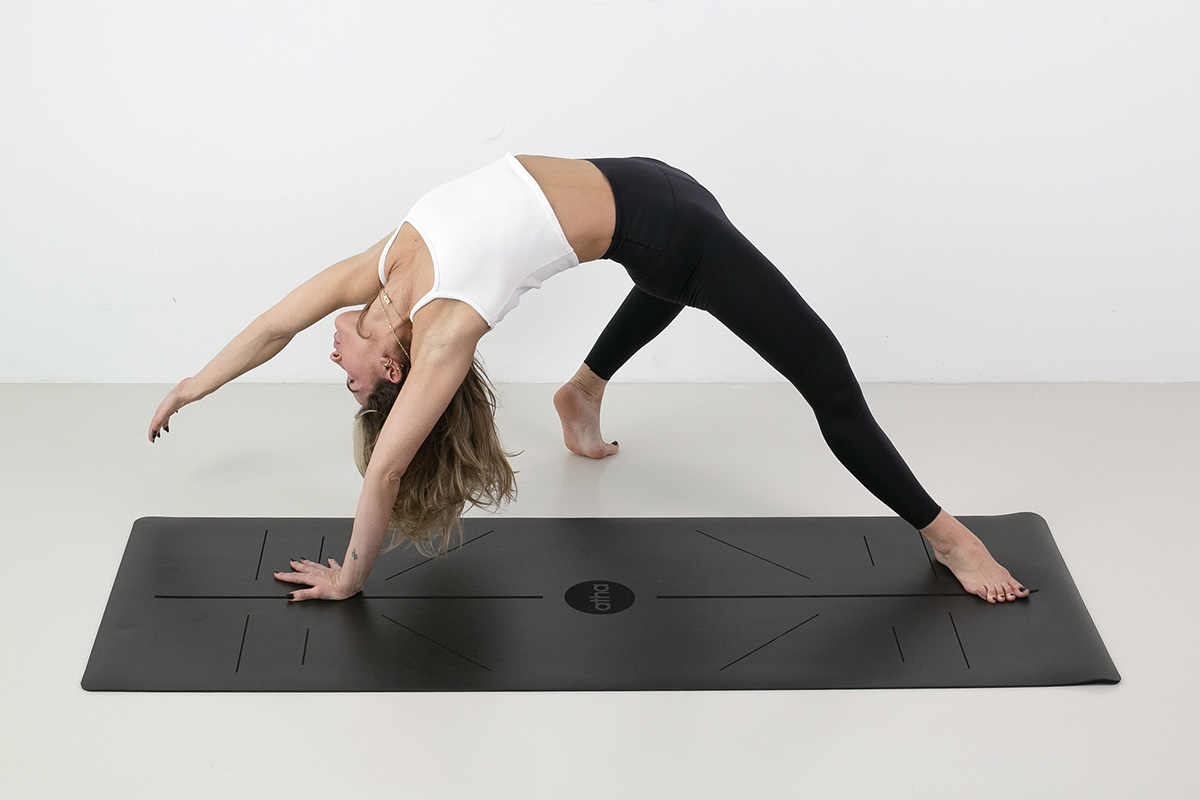
PRO X Yoga mats
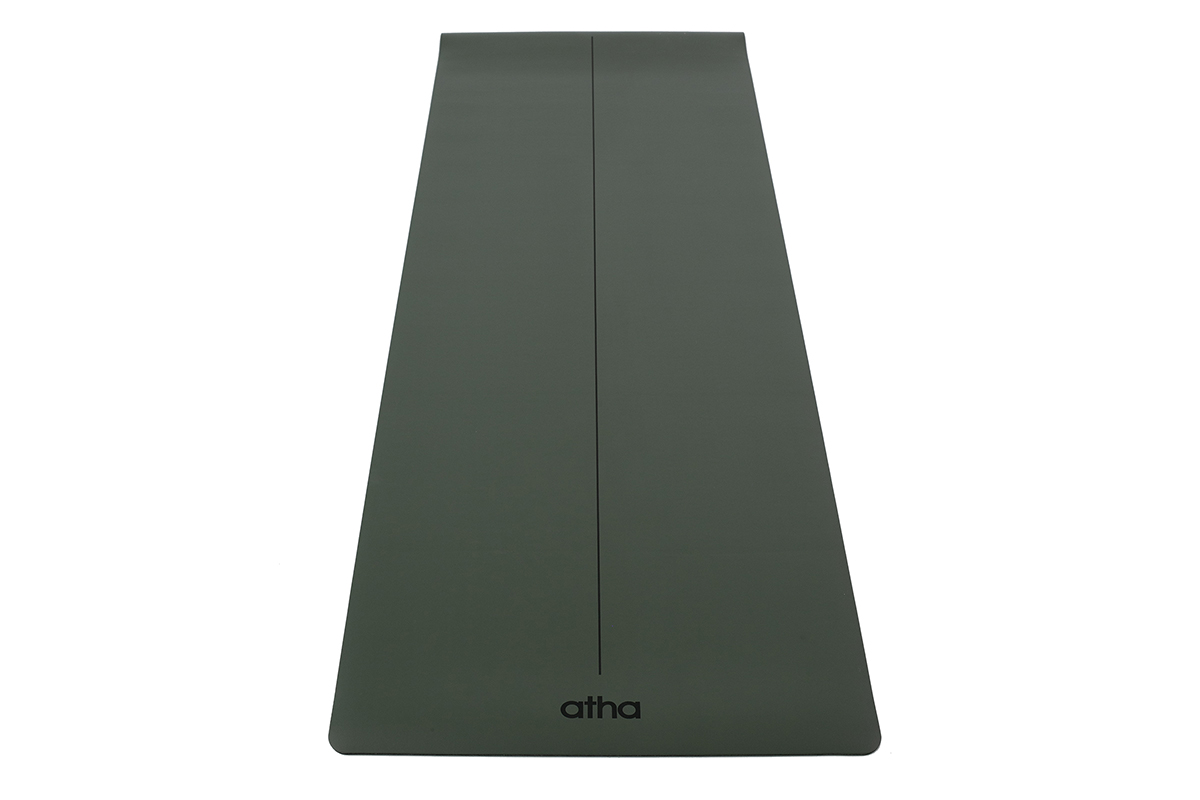
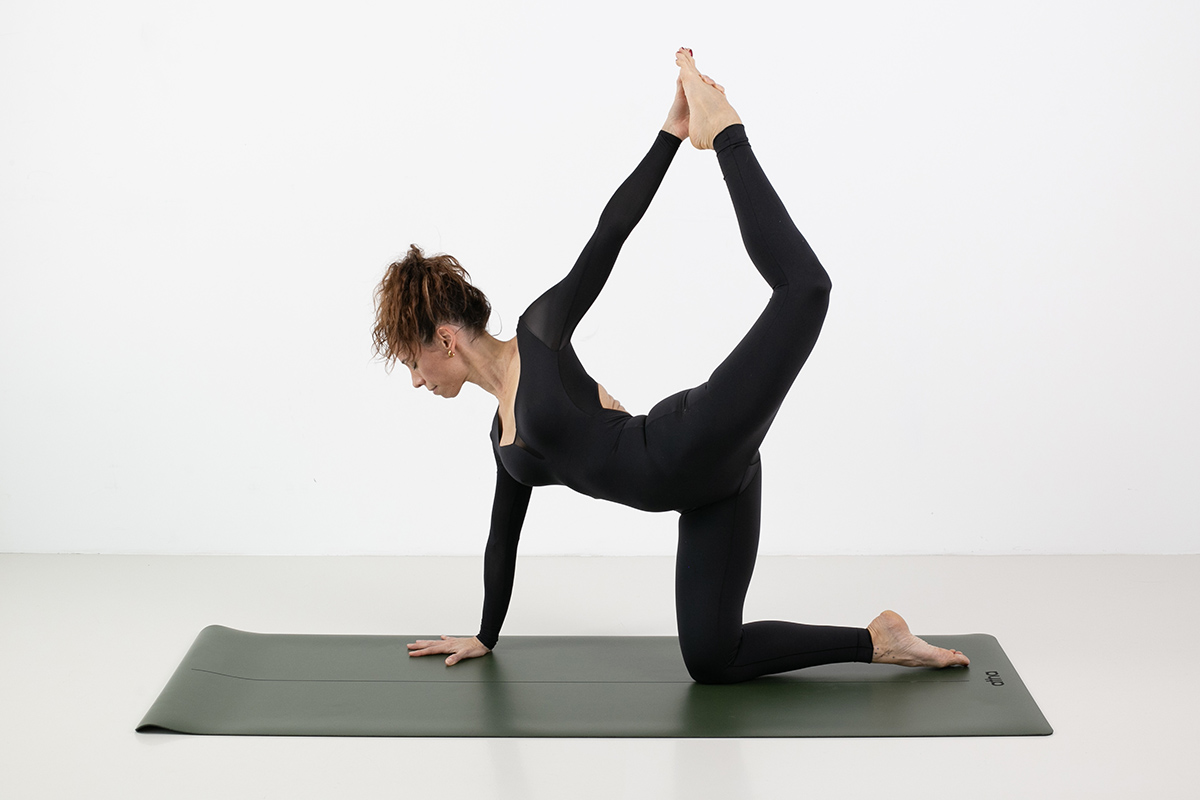
PRO X Yoga mats
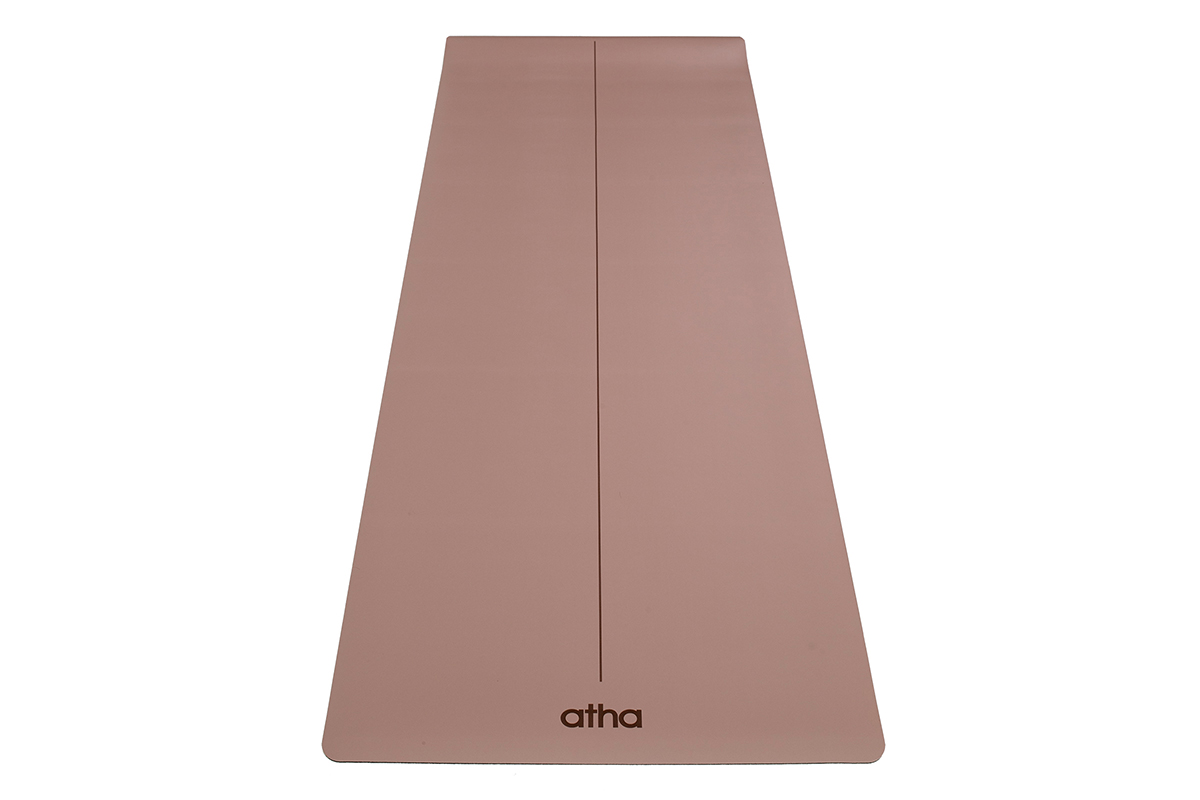
PRO X Yoga mats
PRO X Yoga mats


Yoga Pads


Yoga Pads


Sadhu Boards


Meditation Cushions


Meditation Cushions


Meditation Cushions
