Category Archives: now

WHAT IS KUNDALINI YOGA?

Kundalini yoga is a form of yoga that focuses on the awakening and activation of energy within the body. The practice is based on the concept of “kundalini,” which refers to the dormant energy that lies at the base of the spine. Kundalini yoga is designed to help individuals awaken this energy and move it up through the chakras, or energy centers of the body, to achieve higher levels of consciousness.

Kundalini yoga was developed by Yogi Bhajan in the late 1960s and is often referred to as the “yoga of awareness.” It is a dynamic practice that combines physical postures, breath work, meditation, and chanting to stimulate the flow of energy throughout the body. In a typical kundalini yoga class, students will engage in a series of exercises and postures, often with repetitive movements or breathing patterns. The practice is designed to challenge the body and mind, with an emphasis on developing strength, flexibility, and endurance. Students may also engage in chanting or meditation, which are used to help quiet the mind and facilitate the flow of energy.

Kundalini yoga is often practiced in a group setting, and the use of music and chanting is an important part of the practice. The practice is suitable for individuals of all levels, and modifications can be made to accommodate different physical abilities. Kundalini yoga is believed to have many benefits, including increased energy, reduced stress and anxiety, and improved overall health and well-being.

PRO X Yoga mats

109,00
Out of stock

CORK Yoga Mats

85,00

CORK Yoga Mats

85,00

Yoga Bags

39,00
Out of stock

Yoga Bags

39,00

Yoga Bags

39,00

Yoga Blocks

16,00

PRO Travel Yoga Mats

79,00

PRO Yoga Mats

95,00

PRO Travel Yoga Mats

Original price was: €79,00.Current price is: €69,00.
Out of stock

PRO Yoga Mats

95,00

Yoga Blocks

19,00

PRO Yoga Mats

95,00

Yoga Pads

Original price was: €39,00.Current price is: €29,00.

Yoga Pads

Original price was: €39,00.Current price is: €29,00.

Meditation Cushions

39,00

Meditation Cushions

69,00

Sadhu Boards

199,00
Posted in now

WHAT IS IYENGAR YOGA?

Iyengar yoga is a form of yoga that focuses on precise alignment and the use of props to help practitioners achieve correct alignment and greater flexibility. The practice is named after its founder, B.K.S. Iyengar, who developed the method in the mid-20th century. Iyengar yoga is known for its attention to detail and its therapeutic benefits.

In an Iyengar yoga class, students will typically hold poses for longer periods of time and focus on correct alignment and body positioning. Props such as blocks, straps, and blankets are used to help students achieve proper alignment and support the body during poses. The practice is designed to help individuals develop greater strength, flexibility, and stability, while also promoting mindfulness and relaxation. Iyengar yoga is characterized by a strong emphasis on precision and attention to detail, with teachers offering individualized guidance and adjustments to help students refine their alignment and deepen their practice. The method is suitable for individuals of all levels, including those with injuries or physical limitations.

In addition to its physical benefits, Iyengar yoga is also known for its therapeutic benefits, with practitioners using the method to manage a variety of health conditions, including chronic pain, arthritis, and anxiety. The practice is also known for its emphasis on spiritual development and self-awareness, with students encouraged to cultivate a deeper connection to their bodies, minds, and spirits.

Out of stock

CORK Yoga Mats

85,00

Yoga Blocks

19,00

Yoga Blocks

16,00

CORK Yoga Mats

85,00

Meditation Cushions

39,00

PRO Yoga Mats

95,00

PRO Yoga Mats

95,00
Out of stock

PRO Yoga Mats

95,00

PRO Yoga Mats

95,00

PRO Yoga Mats

95,00

PRO Travel Yoga Mats

79,00

PRO Travel Yoga Mats

79,00

PRO Travel Yoga Mats

Original price was: €79,00.Current price is: €69,00.

PRO X Yoga mats

109,00

Yoga Pads

Original price was: €39,00.Current price is: €29,00.

Yoga Pads

Original price was: €39,00.Current price is: €29,00.

Yoga Bags

39,00
Out of stock

Yoga Bags

39,00

Yoga Bags

39,00

Sadhu Boards

199,00

Meditation Cushions

39,00

Meditation Cushions

79,00

Meditation Cushions

69,00
Posted in now

WHAT IS HATHA YOGA?

Hatha yoga is a branch of yoga that focuses on physical postures, breathing techniques, and meditation. It is one of the most popular styles of yoga practiced in the West and is often associated with yoga classes that involve holding static poses for several breaths before transitioning to the next pose.

The word “hatha” comes from two Sanskrit words, “ha” meaning sun and “tha” meaning moon. This refers to the balance of opposing energies within the body that hatha yoga seeks to achieve. The practice of hatha yoga is designed to create balance and harmony in the body and mind by developing strength, flexibility, and relaxation.

Hatha yoga typically involves a series of physical postures or asanas, each with its own benefits for the body and mind. These postures are usually held for several breaths and can range from gentle stretches to more challenging, dynamic movements. The practice of hatha yoga also includes pranayama or breathing exercises, which help to calm the mind and bring awareness to the breath.

Overall, the practice of hatha yoga is aimed at creating a greater sense of physical and mental well-being, reducing stress and anxiety, and improving overall health and fitness.

CORK Yoga Mats

85,00
Out of stock

CORK Yoga Mats

85,00

PRO X Yoga mats

109,00

PRO Yoga Mats

95,00

Yoga Blocks

16,00

PRO Travel Yoga Mats

79,00

Yoga Bags

39,00
Out of stock

Yoga Bags

39,00

Yoga Bags

39,00
Out of stock

PRO Yoga Mats

95,00

PRO Yoga Mats

95,00

PRO Travel Yoga Mats

Original price was: €79,00.Current price is: €69,00.

Yoga Blocks

19,00

Yoga Pads

Original price was: €39,00.Current price is: €29,00.

PRO Yoga Mats

95,00

Yoga Pads

Original price was: €39,00.Current price is: €29,00.

Meditation Cushions

69,00

Sadhu Boards

199,00
Posted in now

THE HISTORY OF YOGA

by Claire Graham


Yoga is an ancient practice that has been around for thousands of years. Its origins can be traced back to the Indus-Sarasvati civilization in Northern India, which existed over 5,000 years ago. The earliest evidence of yoga comes from the Indus-Sarasvati seals, which depict figures sitting in meditation.

Over time, yoga developed into a complex system of physical, mental, and spiritual practices. The Yoga Sutras of Patanjali, written around 400 CE, are considered to be the foundation of classical yoga. These sutras describe an eight-limbed path, or Ashtanga Yoga, which includes practices such as meditation, asanas (physical postures), and pranayama (breathing exercises). In the centuries that followed, yoga continued to evolve and spread throughout India. Different schools of yoga emerged, each with their own methods and practices. Some of the most well-known schools include Hatha Yoga, Kundalini Yoga, and Raja Yoga.

It wasn’t until the late 19th and early 20th centuries that yoga began to gain popularity outside of India. Swami Vivekananda, a disciple of the famous Indian mystic Ramakrishna, introduced yoga to the West during his travels to the United States and Europe. Vivekananda’s teachings helped to establish yoga as a spiritual and physical practice that could benefit people from all walks of life.
In the 1920s, the Indian teacher Krishnamacharya began to develop a style of yoga that emphasized physical postures and breathing techniques. He taught this style to several Western students, including B.K.S. Iyengar and Pattabhi Jois, who went on to become influential teachers in their own right.

During the 1960s and 70s, yoga became even more popular in the West as part of the broader counterculture movement. Many young people were drawn to the spiritual and physical aspects of yoga as a way to rebel against mainstream culture and find greater meaning in their lives. Today, yoga is a global phenomenon with millions of practitioners around the world. It has become a mainstream activity that is widely recognized for its physical and mental health benefits. Yoga classes are available in gyms, community centers, and yoga studios, and there are countless books, videos, and websites that offer instruction on various styles and techniques.

In recent years, there has been a growing movement to reclaim the spiritual roots of yoga and integrate them into modern practice. Many yoga teachers and practitioners are exploring the ancient wisdom and teachings that underlie the physical postures and breathing exercises, and seeking to create a more holistic approach to yoga that honors its rich history and traditions.

In conclusion, the history of yoga is a long and complex one, with roots that stretch back thousands of years. From its humble origins in the Indus-Sarasvati civilization to its current status as a global phenomenon, yoga has continued to evolve and adapt to the changing needs and desires of practitioners. Today, it remains a powerful tool for promoting physical health, mental clarity, and spiritual growth.

CORK Yoga Mats

85,00
Out of stock

CORK Yoga Mats

85,00

PRO X Yoga mats

109,00

PRO Yoga Mats

95,00

Yoga Blocks

16,00

PRO Travel Yoga Mats

79,00

Yoga Bags

39,00
Out of stock

Yoga Bags

39,00

Yoga Bags

39,00
Out of stock

PRO Yoga Mats

95,00

PRO Yoga Mats

95,00

PRO Travel Yoga Mats

Original price was: €79,00.Current price is: €69,00.

Yoga Blocks

19,00

Yoga Pads

Original price was: €39,00.Current price is: €29,00.

PRO Yoga Mats

95,00

Yoga Pads

Original price was: €39,00.Current price is: €29,00.

Meditation Cushions

69,00

Sadhu Boards

199,00
Posted in now

JIVAMUKTI BARCELONA

A tribute to Jivamukti Yoga Barcelona

CORK Yoga Mats

85,00
Out of stock

CORK Yoga Mats

85,00

PRO X Yoga mats

109,00

PRO Yoga Mats

95,00

Yoga Blocks

16,00

PRO Travel Yoga Mats

79,00

Yoga Bags

39,00
Out of stock

Yoga Bags

39,00
Posted in now

Yoga from a scientific point of view

Exploring the therapeutic effects of yoga and its ability to increase quality of life

Licence: Creative Commons


Abstract

The objective of this study is to assess the findings of selected articles regarding the therapeutic effects of yoga and to provide a comprehensive review of the benefits of regular yoga practice. As participation rates in mind-body fitness programs such as yoga continue to increase, it is important for health care professionals to be informed about the nature of yoga and the evidence of its many therapeutic effects. Thus, this manuscript provides information regarding the therapeutic effects of yoga as it has been studied in various populations concerning a multitude of different ailments and conditions. Therapeutic yoga is defined as the application of yoga postures and practice to the treatment of health conditions and involves instruction in yogic practices and teachings to prevent reduce or alleviate structural, physiological, emotional and spiritual pain, suffering or limitations. Results from this study show that yogic practices enhance muscular strength and body flexibility, promote and improve respiratory and cardiovascular function, promote recovery from and treatment of addiction, reduce stress, anxiety, depression, and chronic pain, improve sleep patterns, and enhance overall well-being and quality of life.

INTRODUCTION

A 3,000 year old tradition, yoga, is now regarded in the Western world as a holistic approach to health and is classified by the National Institutes of Health as a form of Complementary and Alternative Medicine (CAM).[1] The word “yoga” comes from a Sanskrit root “yuj” which means union, or yoke, to join, and to direct and concentrate one’s attention.[2,3] Regular practice of yoga promotes strength, endurance, flexibility and facilitates characteristics of friendliness, compassion, and greater self-control, while cultivating a sense of calmness and well-being.[4,5] Sustained practice also leads to important outcomes such as changes in life perspective, self-awareness and an improved sense of energy to live life fully and with genuine enjoyment.[6–8] The practice of yoga produces a physiological state opposite to that of the flight-or-fight stress response and with that interruption in the stress response, a sense of balance and union between the mind and body can be achieved.[9]

Yoga is a form of mind-body fitness that involves a combination of muscular activity and an internally directed mindful focus on awareness of the self, the breath, and energy.[4] Four basic principles underlie the teachings and practices of yoga’s healing system.[6] The first principle is the human body is a holistic entity comprised of various interrelated dimensions inseparable from one another and the health or illness of any one dimension affects the other dimensions. The second principle is individuals and their needs are unique and therefore must be approached in a way that acknowledges this individuality and their practice must be tailored accordingly. The third principle is yoga is self-empowering; the student is his or her own healer. Yoga engages the student in the healing process; by playing an active role in their journey toward health, the healing comes from within, instead of from an outside source and a greater sense of autonomy is achieved. The fourth principle is that the quality and state of an individuals mind is crucial to healing. When the individual has a positive mind-state healing happens more quickly, whereas if the mind-state is negative, healing may be prolonged.

Yoga philosophy and practice were first described by Patanjali in the classic text, Yoga Sutras, which is widely acknowledged as the authoritative text on yoga.[2,6] Today, many people identify yoga only with asana, the physical practice of yoga, but asana is just one of the many tools used for healing the individual; only three of the 196 sutras mention asana and the remainder of the text discusses the other components of yoga including conscious breathing, meditation, lifestyle and diet changes, visualization and the use of sound, among many others.[6] In Yoga Sutras, Patanjali outlines an eightfold path to awareness and enlightenment called ashtanga, which literally means “eight limbs”.[2,10]

The eight limbs are comprised of ethical principles for living a meaningful and purposeful life; serving as a prescription for moral and ethical conduct and self-discipline, they direct attention towards one’s health while acknowledging the spiritual aspects of one’s nature. Any of the eight limbs may be used separately, but within yoga philosophy the physical postures and breathing exercises prepare the mind and body for meditation and spiritual development.[4,10] Based on Patanjali’s eight limbs, many different yogic disciplines have been developed. Each has its own technique for preventing and treating disease.[1] In the Western world, the most common aspects of yoga practiced are the physical postures and breathing practices of Hatha yoga and meditation.[4] Hatha yoga enhances the capacity of the physical body through the use of a series of body postures, movements (asanas), and breathing techniques (pranayama). The breathing techniques of Hatha yoga focus on conscious prolongation of inhalation, breath retention, and exhalation. It is through the unification of the physical body, breath, and concentration, while performing the postures and movements that blockages in the energy channels of the body are cleared and the body energy system becomes more balanced. Although numerous styles of Hatha yoga exist, the majority of studies included in this manuscript utilized the Iyengar style of yoga. The Iyengar method of Hatha yoga is based on the teachings of the yoga master B.K.S. Iyengar.[1] Iyengar yoga places an emphasis on standing poses to develop strength, stability, stamina, concentration and body alignment. Props are utilized to facilitate learning and to adjust poses and instruction is given on how to use yoga to ease various ailments and stressors.

Yoga is recognized as a form of mind-body medicine that integrates an individual’s physical, mental and spiritual components to improve aspects of health, particularly stress related illnesses.[8] Evidence shows that stress contributes to the etiology of heart disease, cancer, and stroke as well as other chronic conditions and diseases.[11] Due to the fact that stress is implicated in numerous diseases, it is a priority to include a focus on stress management and reduction of negative emotional states in order to reduce the burden of disease. Viewed as a holistic stress management technique, yoga is a form of CAM that produces a physiological sequence of events in the body reducing the stress response. The scientific study of yoga has increased substantially in recent years and many clinical trials have been designed to assess its therapeutic effects and benefits.

As participation rates in mind-body fitness programs such as yoga continue to increase, it is important for health care professionals to be informed about the nature of yoga and the evidence of its many therapeutic effects. Thus, this review of the literature is timely and important and provides information regarding the therapeutic effects of yoga in various populations concerning a multitude of different ailments and conditions. Therapeutic yoga is defined as the application of yoga postures and practice to the treatment of health conditions.[4] Yoga therapy involves instruction in yogic practices and teachings to prevent reduce or alleviate structural, physiological, emotional and spiritual pain, suffering or limitations. Yogic practices enhance muscular strength and body flexibility, promote and improve respiratory and cardiovascular function, promote recovery from and treatment of addiction, reduce stress, anxiety, depression, and chronic pain, improve sleep patterns, and enhance overall well-being and quality of life.[4,6,12–17]

METHODS

In order to locate research studies and interventions that examined the therapeutic effects of yoga, databases were searched through Google Scholar via a universities web browser. Initially, the following key words were entered into the database via the advanced search option: “yoga,” and “therapeutic effects.” This search was conducted to obtain general information regarding yoga’s therapeutic effects in the existing literature. Subsequently, a second search was conducted using the following key words or exact phrases, “hatha yoga,” “therapeutic effects of yoga,” “stress,” “anxiety, “depression,” “pain,” and “chronic disease.” The following criteria were used for including studies in this review: (1) the article had to be peer reviewed, (2) published between the years 1990 and 2009, (3) the intervention had to incorporate some form of yoga and/ or meditation, and (4) effects of yoga on some outcome were measured.

In order to select the articles included in this manuscript, several steps were taken. First, the title was read. If the article appeared appropriate to the examination of the therapeutic effects of yoga, it was saved to a folder. The articles describing interventions that utilized yoga as a means to achieve some health outcome were chosen for further review. Each of the articles chosen were then thoroughly read and reviewed. The articles chosen include a broad spectrum of the benefits, application, and therapeutic effects of yoga.

RESULTS

Mental health problems such as depression, anxiety, stress, and insomnia are among the most common reasons for individuals to seek treatment with complementary therapies such as yoga.[18] Yoga encourages one to relax, slow the breath and focus on the present, shifting the balance from the sympathetic nervous system and the flight-or-fight response to the parasympathetic system and the relaxation response.[5] The latter is calming and restorative; it lowers breathing and heart rate, decreases blood pressure, lowers cortisol levels, and increases blood flow to the intestines and vital organs.

One of the main goals of yoga is to achieve tranquility of the mind and create a sense of well-being, feelings of relaxation, improved self-confidence, improved efficiency, increased attentiveness, lowered irritability, and an optimistic outlook on life.[9] The practice of yoga generates balanced energy which is vital to the function of the immune system.[9] Yoga leads to an inhibition of the posterior or sympathetic area of the hypothalamus. This inhibition optimizes the body’s sympathetic responses to stressful stimuli and restores autonomic regulatory reflex mechanisms associated with stress. Yogic practices inhibit the areas responsible for fear, aggressiveness and rage, and stimulate the rewarding pleasure centers in the median forebrain and other areas leading to a state of bliss and pleasure. This inhibition results in lower anxiety, heart rate, respiratory rate, blood pressure, and cardiac output in students practicing yoga and meditation.[6,13,19,20]

Consistent yoga practice improves depression and can lead to significant increases in serotonin levels coupled with decreases in the levels of monamine oxidase, an enzyme that breaks down neurotransmitters and cortisol.[5] A range of therapeutic approaches is available for the management of depressive disorders, but many patients turn to complementary therapies due to the adverse effects of medication, lack of response or simply preference for the complementary approach. A number of studies demonstrate the potential beneficial effects of yoga interventions on depression, stress, and anxiety.[18,21,22]

Improved flexibility is one of the first and most obvious benefits of yoga.[5] With continued practice comes a gradual loosening of the muscles and connective tissues surrounding the bones and joints; this is thought to be one reason that yoga is associated with reduced aches and pains. Yoga helps to build muscle mass and/ or maintain muscle strength, which protects from conditions such as arthritis, osteoporosis and back pain.[6] During a yoga session, the joints are taken through their full range of motion, squeezing and soaking areas of cartilage not often used and bringing fresh nutrients, oxygen and blood to the area, which helps to prevent conditions like arthritis and chronic pain.[5] Without proper sustenance, neglected areas of cartilage will eventually wear out and expose the underlying bone. Numerous studies have shown that asana, meditation or a combination of the two reduced pain in people with arthritis, Carpel Tunnel syndrome, back pain and other chronic conditions.[5,6,17,23–25] Yoga also increases proprioception and improves balance.[5]

Yoga increases blood flow and levels of hemoglobin and red blood cells which allows for more oxygen to reach the body cells, enhancing their function.[5] Yoga also thins the blood which can decrease the risk of heart attack and stroke, as they are often caused by blood clots. Twisting poses wring out venous blood from internal organs and allow oxygenated blood to flow in when the twist is released. Inverted poses encourage venous blood flow from the legs and pelvis back to the heart and then pumped through the lungs where it becomes freshly oxygenated. Many studies show yoga lowers the resting heart rate, increases endurance, and can improve the maximum uptake and utilization of oxygen during exercise.[13,20,26] Consistently getting the heart rate into aerobic range lowers the risk of heart attack.[5] While not all yoga is aerobic, even yoga exercises that do not increase heart rate into the aerobic range can improve cardiovascular functioning.

While yoga is not a cure for a cancer, nor a definitive way of preventing it, yoga increases physical, emotional and spiritual wellness, and brings about a certain peace, of which many cancer patients desire.[27] Yoga, breathing exercises, and meditation can reduce stress, promote healing, and enhance quality of life for patients with cancer.[28,29] The growth of tumors and other cancer indicators are exacerbated by stress, thus it is especially important for people with cancer to reduce and manage stress effectively.[27] Several premises exist as rationale for applying yoga-based interventions with cancer patients. Research suggests that yoga can produce an invigorating effect on mental and physical energy that improves fitness and reduces fatigue.[28] Additionally, when practicing yoga, a fundamental emphasis is placed on accepting one’s moment-to-moment experiences creating mindfulness and not forcing the body past its comfortable limits. Having this healthy sense of acceptance is especially important for individuals dealing with life-threatening illness as it decreases the stress one experiences from unpleasant symptomology. Initially, cancer patients likely benefit from the poses themselves which are designed to exercise each and every muscle, nerve and gland throughout the body.[27] The postures precisely address the tension, holding, and blockage of energy in any particular joint or organ. As this tension is released, energy flows more readily throughout the body and allows patients to experience a sense of increased well-being and strength as well as a balance of mind, body and spirit.

While stimulation is good, too much taxes the nervous system and yoga provides relief from excess stimulation and the stressors and hectic nature of modern life.[5] Restorative postures, savasana, pranayama, and meditation encourage pratyahara, a turning inward of the senses which enables downtime for the nervous system, the byproduct often being improved sleep. Pharmacological treatment of insomnia is often associated with hazardous side effects such as states of confusion, psychomotor performance deficits, nocturnal falls, dysphoric mood, impaired intellectual functioning and daytime sleepiness, especially in older adults.[30] Therefore, alternative forms of therapy for improving sleep are becoming utilized more frequently. These alternative therapeutic approaches can be generally classified into three categories: behavioral based educative methods (e.g. avoiding caffeine or other stimulants before bedtime), relaxation techniques (e.g. progressive muscular relaxation, yoga, and meditation) and formal psychotherapy. Because of its ability to increase relaxation and induce a balanced mental state, yoga has been studied to evaluate its possible effects on sleep and insomnia.[16,30]

In summary, stress has a negative impact on the immune system and prolonged exposure increases susceptibility to disease and leads to physical and mental health problems such as anxiety and depression.[9,19] Practicing yoga and meditation as a means to manage and relieve both acute and chronic stress helps individuals overcome other co-morbidities associated with diseases and leads to increased quality of life.[14,31] As a non-pharmacological form of treatment, yoga based interventions are an alternative option for the treatment of mood disorders. Further investigation of yoga as a therapeutic intervention in depressive disorders is needed and future studies should seek to identify which of the yoga-based interventions is most effective and what levels of severity of depression are more likely to respond to this approach.

In addition to the effects of yoga on mood disorders and stress reduction, yogic practices are shown to improve cardiorespiratory performance, psychological profile, and plasma melatonin levels and also significantly reduced systolic blood pressure, diastolic blood pressure, mean arterial pressure, and orthostatic tolerance.[16,26] Furthermore, yoga helps to improve the cardiovascular efficiency and homeostatic control of the body and results in improvements in autonomic balance, respiratory performance, and overall well-being. Yoga based lifestyle modifications were also shown to aid in regression of coronary lesions as well as to improve myocardial perfusion in patients with CAD.[32] Inevitably, cardiovascular parameters alter as one ages, but these age-related deteriorations in cardiovascular functions are slower in persons who practice yoga regularly as yoga practitioners had lower heart rate as well as lower systolic and diastolic blood pressure than matched controls.[13]

Numerous studies show that asana, meditation or a combination of the two can reduce pain and disability while improving flexibility and functional mobility in people with a number of conditions causing chronic pain.[5,6,17,23–25] Additionally, in some cases use of pain medication was reduced or eliminated completely. Yoga was also shown to improve gait function and reduce age-related changes in gait among a group of healthy, non-obese elders.[33]

Regarding yoga’s effects for cancer patients, results show a decrease in post-chemotherapy-induced nausea frequency, nausea intensity, intensity of anticipatory nausea, and anticipatory vomiting.[29] Additionally, yoga subjects reported decreased anxiety, depression, and distressful symptoms and also showed significantly reduced toxicity scores compared to the controls. Results from another study showed patients experienced significantly lower levels of pain and fatigue, and higher levels of invigoration, acceptance and relaxation following participation in a yoga intervention.[28] Yoga, breathing exercises, and meditation can reduce stress, promote healing, increase energy, decrease adverse treatment effects, and enhance quality-of-life for patients with cancer.[28,29]

Yoga’s ability to increase relaxation and induce a balanced mental state was studied to evaluate its effect on sleep quality and improving insomnia. Regular practice of yoga resulted in a significant decrease in the time taken to fall asleep, an increase in the total number of hours slept, and in the feeling of being rested in the morning.[30] Additionally, yoga had a positive influence on sleep patterns in individuals with lymphoma.[16] Furthermore, participation in yoga classes improved self-reported quality-of-life as well as measures of physical function among an elderly population.[14]

According to Buddhist philosophy the roots of addiction are in the mind and the practice of mindful meditation encourages addicts to accept the basic impermanence of human experience and helps them to develop a detached awareness of thoughts.[12] Yoga and meditation practices exert positive influence on addictive behaviors. Through the practice of yoga, addicts shift from self-inflicted harm and disrespect toward their bodies to more respectful, caring, and loving behaviors. Eating disorders are a specific type of addiction and yoga appears to be beneficial in improving body image disturbances and useful in the recovery from eating disorders.[34] One study found that female yoga practitioners attribute their positive feelings and sense of well-being to yoga practice and report less self-objectification, greater satisfaction with physical appearance and fewer disordered eating attitudes compared to non-yoga practitioners.[35]

The findings of the aforementioned studies examining the psychological and physical outcomes of yoga prove difficult to summarize and draw concrete conclusions due to variation in the research designs, differences in the duration and frequency of yoga classes, and differences in the specific yoga programs and populations being studied. Nonetheless, results for the included studies demonstrate many of the numerous therapeutic effects, benefits and profound healing power of yoga.

DISCUSSION

Rapidly emerging in the Western world as a discipline for integrating the mind and body into union and harmony, when adopted as a way of life, yoga improves physical, mental, intellectual and spiritual health. Yoga offers an effective method of managing and reducing stress, anxiety and depression and numerous studies demonstrate the efficacy of yoga on mood related disorders.

Currently, treatment for anxiety and depression involves mostly psychological and pharmacological interventions; however, mind-body interventions are becoming increasingly popular as a means to reduce stress in individuals. Yoga, a form of mind-body exercise, has become an increasingly widespread therapy used to maintain wellness, and alleviate a range of health problems and ailments. Yoga should be considered as a complementary therapy or alternative method for medical therapy in the treatment of stress, anxiety, depression, and other mood disorders as it has been shown to create a greater sense of well-being, increase feelings of relaxation, improve self-confidence and body image, improve efficiency, better interpersonal relationships, increase attentiveness, lower irritability, and encourage an optimistic outlook on life.

Researchers are only beginning to understand how disciplines such as yoga promote personal growth, health and well-being. By acknowledging the unity of mind, body and spirit, mind-body fitness programs (i.e. yoga) can assist people in their pursuit of peace, calmness, and greater wholeness and integration in their lives. Health care professionals, health educators and the like, need to be aware of the potential of yoga as an important component of a personal wellness plan.

While no concrete guidelines exist regarding the frequency of practice, the more you practice the more you benefit. Yoga is a personalized practice and as such, frequency and duration are personal questions with individual answers. Practice should happen with wisdom and should be modified to meet individual needs and goals. Individuals should practice as often as possible, especially in the beginning. The length of the induction phase will vary depending on an individual’s initial level of fitness and health status; the more difficult yoga is for someone in the beginning the more their body needs it.

While modern medicine has the ability in many cases to heal physical diseases and alleviate psychological disorders, it is argued that a purely medical approach is far less effective in healing the emotional, intellectual, and personality layers of the human entity. The discipline of yoga offers individuals a timeless and holistic model of health and healing and although it may not result in the complete elimination of physical diseases and/ or adverse conditions from the body it offers a holistic path of healing. There exists an indisputable connection between a person’s overall physical and mental health and the inner peace and well-being yoga is designed to achieve. Yoga suspends the fluctuations of the mind and by acting consciously, we live better and suffer less.

REFERENCES

1. Williams K, Steinberg L, Petronis J. Therapeutic application of iyengar yoga for healing chronic low back pain. Int J Yoga Ther. 2003;13:55–67.
2. Lasater J. The heart of pantajali. Yoga J. 1997;137:134–44.
3. Raub JA. Psychophysiologic effects of hatha yoga on musculoskeletal and cardiopulmonary function: A literature review. J Altern Complement Med. 2002;8:797–812.
4. Collins C. Yoga: Intuition, preventive medicine, and treatment. J Obstet Gynecol Neonatal Nurs. 1998;27:563–8.
5. McCall T. New York: Bantam Dell a division of Random House Inc; 2007. Yoga as Medicine.
6. Desikachar K, Bragdon L, Bossart C. The yoga of healing: Exploring yoga’s holistic model for health and well-being. Int J Yoga Ther. 2005;15:17–39.
7. Mehta S, Mehta M, Mehta S. New York: Alford A. Knoff Company; 1995. Yoga the iyengar way.
8. Atkinson NL, Permuth-Levine R. Benefits, barriers, and cues to action of yoga practice: A focus group approach. Am J Health Behav. 2009;33:3–14.
9. Arora S, Bhattacharjee J. Modulation of immune response in stress by yoga. Int J Yoga. 2008;1:45–55.
10. Maehle G. Analoo City, Western Australia: Kaivalya Publications; 2006. Ashtanga Yoga: Practice and Philosophy.
11. Granath J, Ingvarsson S, von Thiele U, Lundberg U. Stress management: A randomized study of cognitive behavioural therapy and yoga. Cogn Behav Ther. 2006;35:3–10.
12. Marlatt GA. Buddhist philosophy and the treatment of addictive behavior. Cogn Behav Pract. 2002;9:44–50.
13. Bharshankar JR, Bharshankar RN, Deshpande VN, Kaore SB, Gosavi GB. Effect of yoga on cardiovascular system in subjects above 40 years. Indian J Physiol Pharmacol. 2003;47:202–6.
14. Oken BS, Zajdel D, Kishiyama S, Flegal K, Dehen C, Haas M, et al. Randomized, controlled, six-month trial of yoga in healthy seniors: Effects on cognition and quality of life. Altern Ther Health Med. 2006;12:40–7.
15. Kissen M, Kissen-Kohn DA. Reducing addictions via the self-soothing effects of yoga. Bull Menninger Clin. 2009;73:34–43.
16. Cohen L, Warneke C, Fouladi RT, Rodriguez MA, Chaoul-Reich A. Psychological adjustment and sleep quality in a randomized trial of effects of a tibetan yoga intervention in patients with lymphoma. Cancer. 2004;100:2253–60.
17. Kolasinski SL, Garfinkel M, Tsai AG, Matz W, Dyke AV, Schumacher HR. Iyengar yoga for treating symptoms of osteoarthritis of the knees: A pilot study. J Altern Complement Med. 2005;11:689–93.
18. Pilkington K, Kirkwood G, Rampes H, Richardson J. Yoga for depression: The research evidence. J Affect Disord. 2005;89:13–24.
19. Javnbakht M, Hejazi Kenari R, Ghasemi M. Effects of yoga on depression and anxiety of women. Complement Ther Clin Pract. 2009;15:102–4.
20. Birkel DA, Edgren L. Hatha yoga: Improved vital capacity of college students. Altern Ther Health Med. 2000;6:55–63.
21. Vedamurthachar A, Janakiramaiah N, Hegde JM, Shetty TK, Subbakrishna DK, Sureshbabu SV, et al. Antidepressant efficacy and hormonal effects of sudarshana kriya yoga (SKY) in alcohol dependent individuals. J Affect Dis. 2006;94:249–53.
22. Woolery A, Myers H, Stemliebm B, Zeltzer L. A yoga intervention for young adults with elevated symptoms of depression. Altern Ther Health Med. 2004;10:60–3.
23. Gatantino ML, Bzdewka TM, Eissler-Rnsso JL, Holbrook ML, Mogck EP, Geigle P, et al. The impact of modified hatha yoga on chronic low back pain: A pilot study. Altern Ther Health Med. 2004;10:56–9.
24. Garfinkel MS, Singhal A, Katz WA, Allan DA, Reshetar R, Schumacher HR., Jr Yoga-based intervention for carpal tunnel syndrome: A randomized trial. JAMA. 1998;280:1601–3.
25. Williams KA, Petronis J, Smith D, Goodrich D, Wu J, Ravi N, et al. Effect of iyengar yoga therapy for chronic low back pain. Pain. 2005;115:107–17.
26. Harinath K, Malhotra AS, Pal K, Prasad R, Kumar R, Kain TC, et al. Effects of hatha yoga and omkar meditation on cardiorespiratory performance, psychologic profile, and melatonin secretion. J Altern Complement Med. 2004;10:261–8.
27. Boucher S. Yoga for Cancer. Yoga J. 2007. Retrievedxs from http://www.yogajournal.com/health/126 .
28. Carson JW, Carson KM, Porter LS, Keefe FJ, Shaw H, Miller JM. Yoga for women with metastatic breast cancer: Results from a pilot study. J Pain Symptom Manage. 2007;33:331–41.
29. Raghavendra RM, Nagarathna R, Nagendra HR, Gopinath KS, Srinath BS, Ravi BD, et al. Effects of an integrated yoga programme on chemotherapy-induced nausea and emesis in breast cancer patients. Eur Cancer Care (Engl) 2007;16:462–74.
30. Manjunath NK, Telles S. Influence of yoga and ayurveda on self-rated sleep in a geriatric population. Indian J Med Res. 2005;121:683–90.
31. Michalsen A, Grossman P, Acil A, Langhorst J, Lüdtke R, Esch T, et al. Rapid stress reduction and anxiolysis among distressed women as a consequence of a three-month intensive yoga program. Med Sci Monit. 2005;11:CR555–61.
32. Yogendra J, Yogendra HJ, Ambardekar S, Lele RD, Shetty S, Dave M, et al. Beneficial effects of yoga lifestyle on reversibility of ischaemic heart disease: caring heart project of international board of yoga. J Assoc Physicians India. 2004;52:283–9.
33. DiBenedetto M, Innes KE, Taylor AG, Rodeheaver PF, Boxer JA, Wright HJ, et al. Effect of a gentle iyengar yoga program on gait in the elderly: An exploratory study. Arch Phys Med Rehabil. 2005;86:1830–7.
34. Boudette R. How can the practice of yoga be helpful in the recovery from an eating disorder? Eat Disord. 2006;14:167–70.
35. Dittmann KA, Freedman MR. Body awareness, eating attitudes, and spiritual beliefs in women practicing yoga. Eat Disord. 2009;17:273–92.

PRO Travel Yoga Mats

79,00

Meditation Cushions

79,00

Yoga Pads

Original price was: €39,00.Current price is: €29,00.

Yoga Blocks

16,00

Sadhu Boards

199,00

CORK Yoga Mats

85,00

Meditation Cushions

39,00

PRO Travel Yoga Mats

79,00
Out of stock

Yoga Bags

39,00

Yoga Bags

39,00

PRO Yoga Mats

95,00

Yoga Bags

39,00

PRO X Yoga mats

109,00

PRO Yoga Mats

95,00

Meditation Cushions

39,00

Meditation Cushions

69,00

Yoga Pads

Original price was: €39,00.Current price is: €29,00.
Out of stock

CORK Yoga Mats

85,00
Posted in now

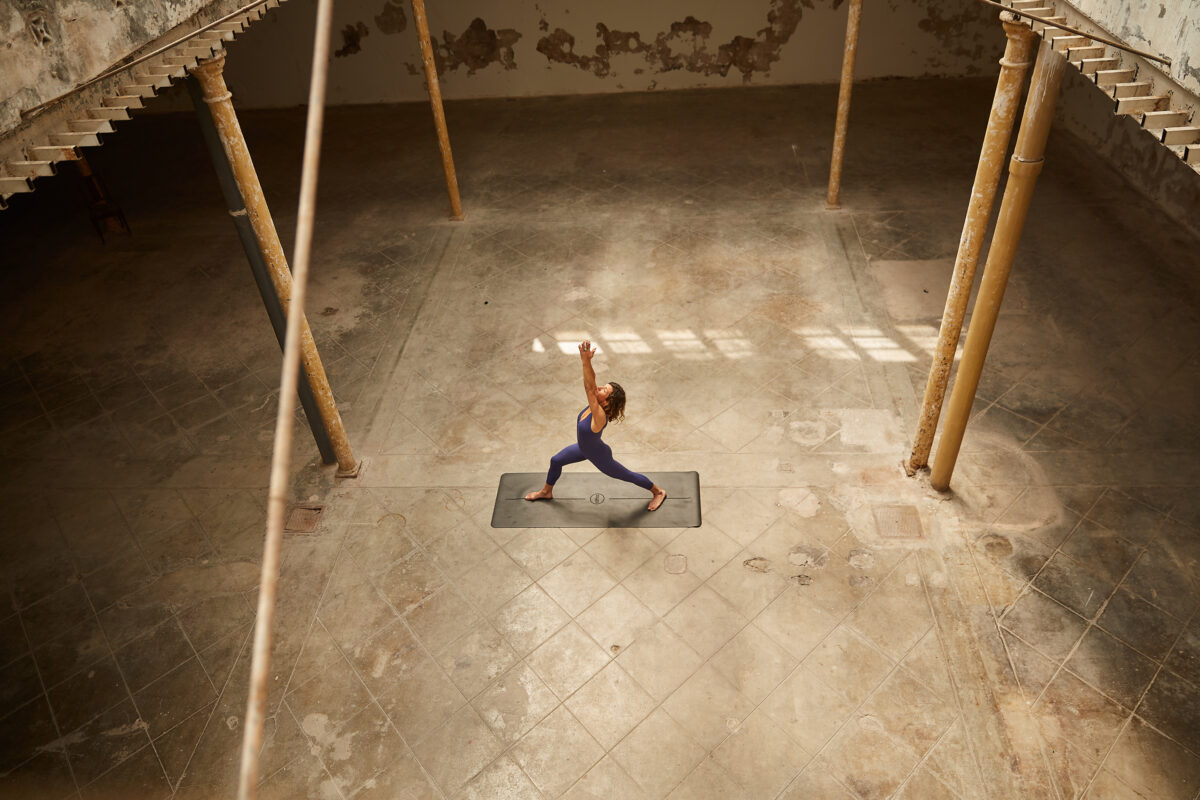
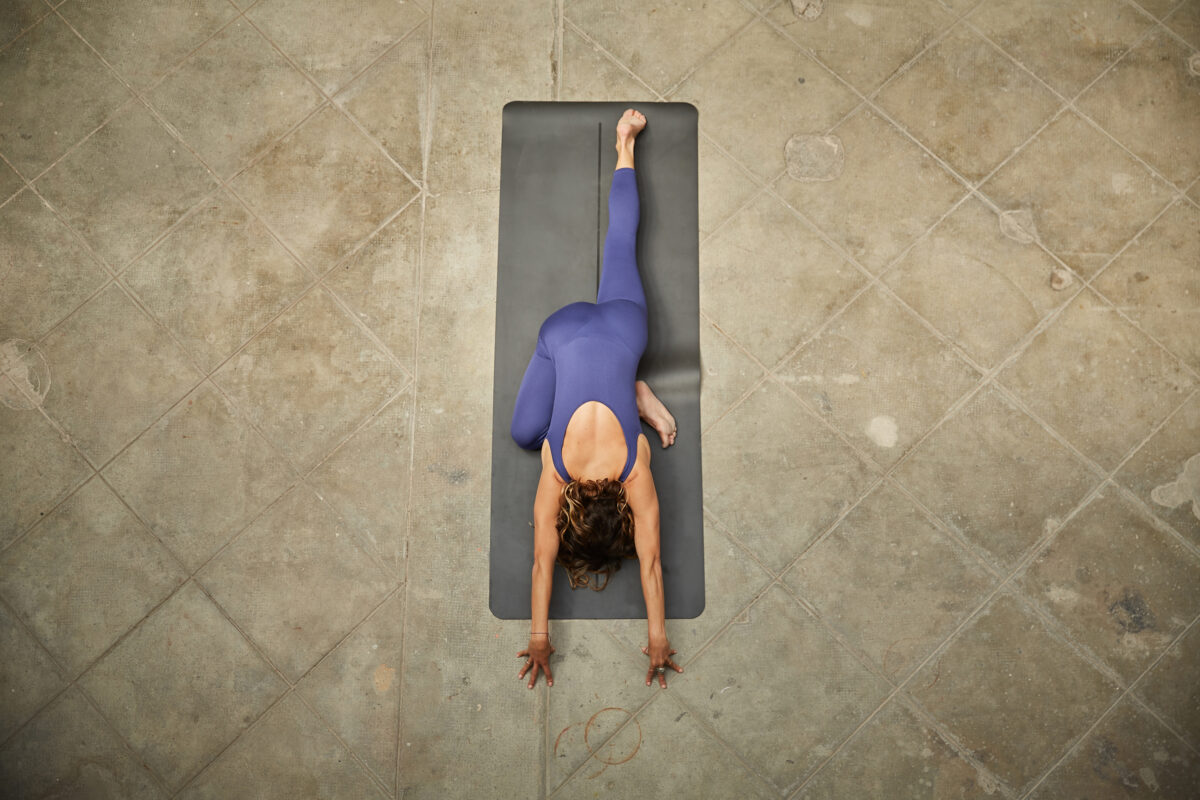
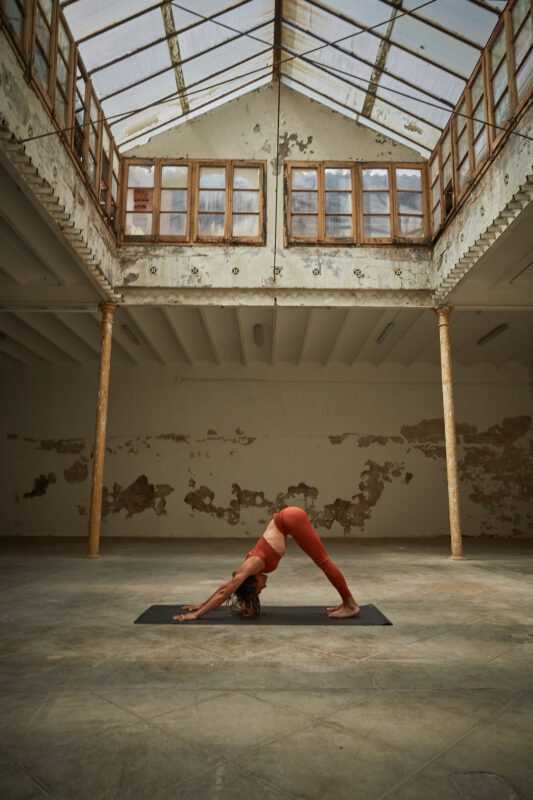
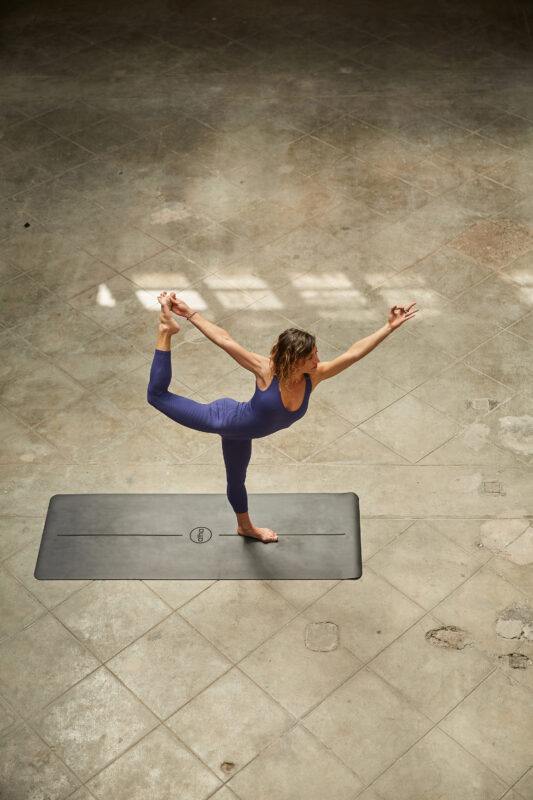
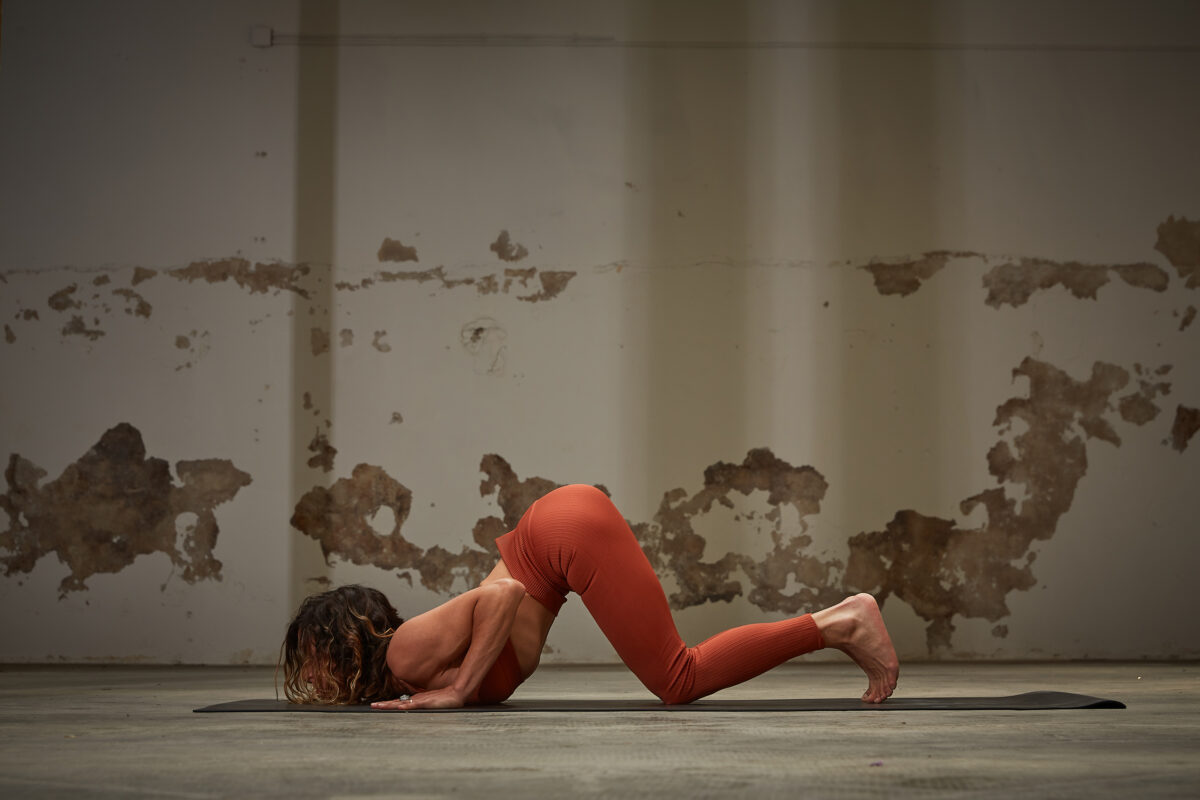
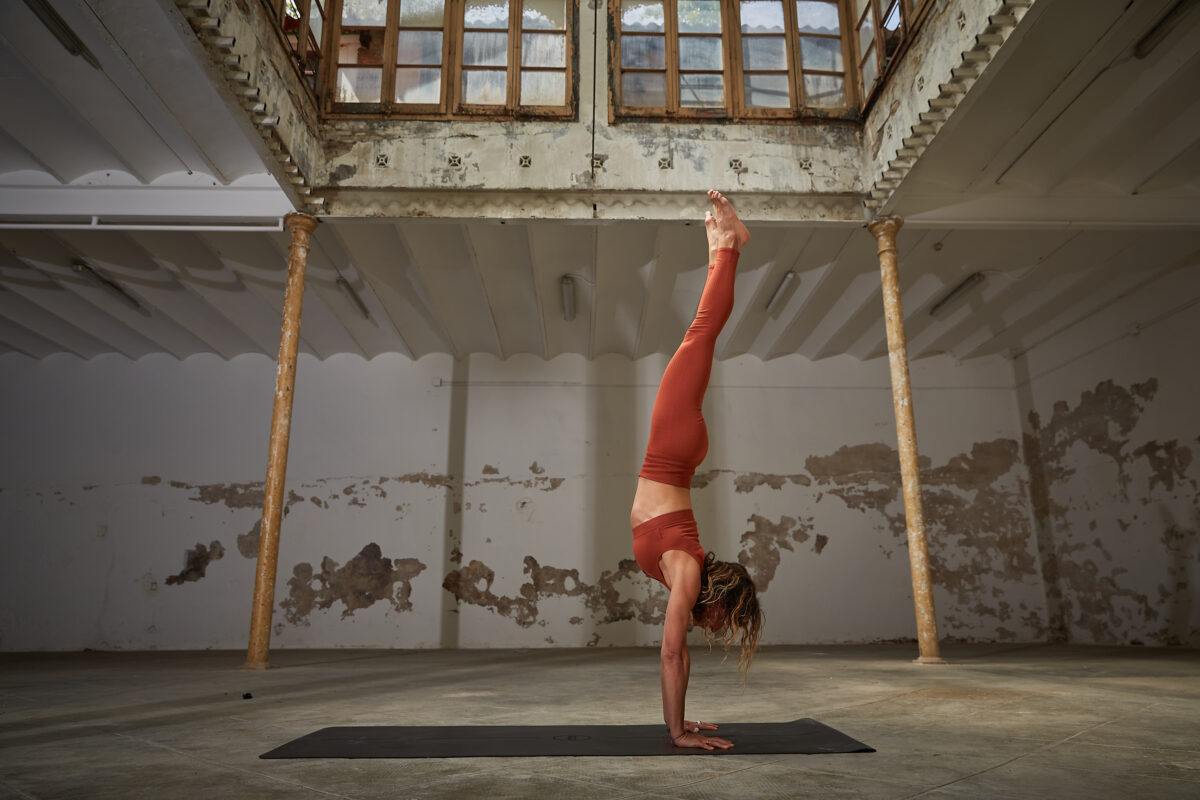
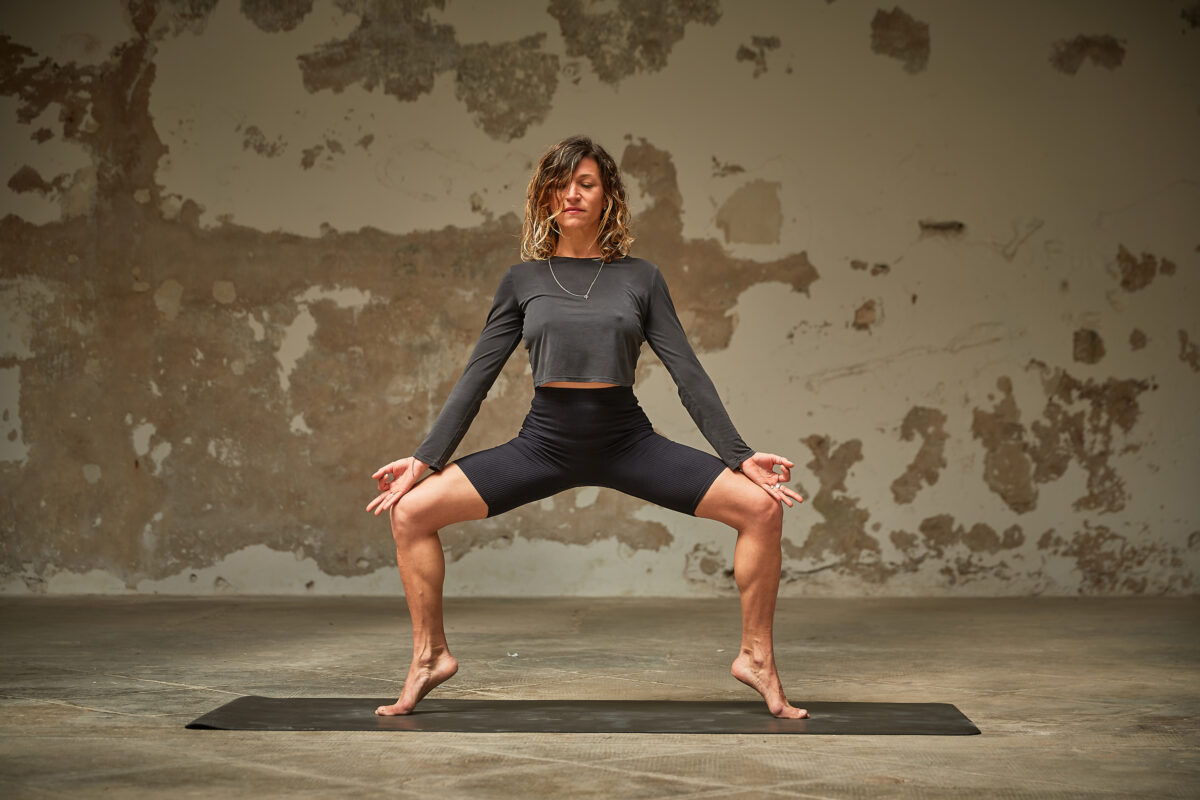
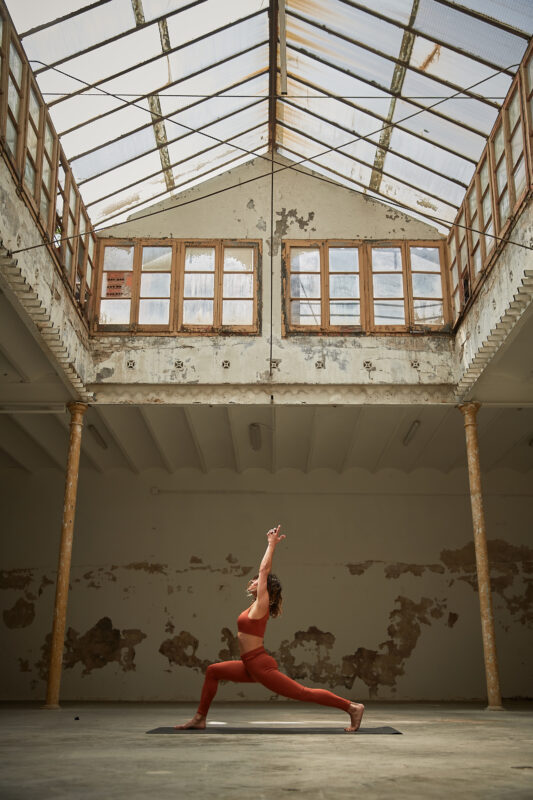
CAROLINA

Carolina Carrasco @espacioerrebcn

Location: Espacio ERRE / Photography: Cristian Oliva

CORK Yoga Mats

85,00
Out of stock

CORK Yoga Mats

85,00

PRO X Yoga mats

109,00

PRO Yoga Mats

95,00

Yoga Blocks

16,00

PRO Travel Yoga Mats

79,00

Yoga Bags

39,00
Out of stock

Yoga Bags

39,00

Yoga Bags

39,00
Out of stock

PRO Yoga Mats

95,00

PRO Yoga Mats

95,00

PRO Travel Yoga Mats

Original price was: €79,00.Current price is: €69,00.

Yoga Blocks

19,00

Yoga Pads

Original price was: €39,00.Current price is: €29,00.

PRO Yoga Mats

95,00

Yoga Pads

Original price was: €39,00.Current price is: €29,00.

Meditation Cushions

69,00

Sadhu Boards

199,00
Posted in now

How yoga and mindfulness can help with anxiety

by Nicolas Massines


Fear, anxiety, stress … We all live in difficult situations to face. If we start to list the sources that cause anxiety in our lives, we would lose count, especially in a complicated health context like the one we live in today. Anxiety involves a general feeling of uneasiness about possible future danger. Even if fear can be normal when facing certain situations, when this anxiety becomes persistent it becomes a problem, interfering in our daily lives. Excessive discomfort, fear of the unknown, and restlessness take over our existence; And it is at that precise moment when we most need the practice of Yoga.


What are signs and symptoms of anxiety?

You experience unhappiness and discomfort, racing thoughts or over-thinking. You have difficulties concentrating, feelings of dread or panic or sleeping problems. You suffer of extreme tiredness or lack of energy. Fast heartbeat, sweating and heavy and fast breathing can be other physical symptoms of anxiety.


How can Yoga help?

The regular practice of Yoga helps you stay calm and relaxed in difficult situations and provides strength to face all kind of events, accepting them as they come. Ideally, the practice of Yoga encompasses a set of postures (asanas), breathing techniques (pranayamas) and meditation, in addition to the study of the philosophy of Yoga itself.


1.Move your body and release stress and negativity with asanas.

All yoga postures (Asanas) help to relax tensions and to release the negative energy that we accumulate in our bodies and minds.

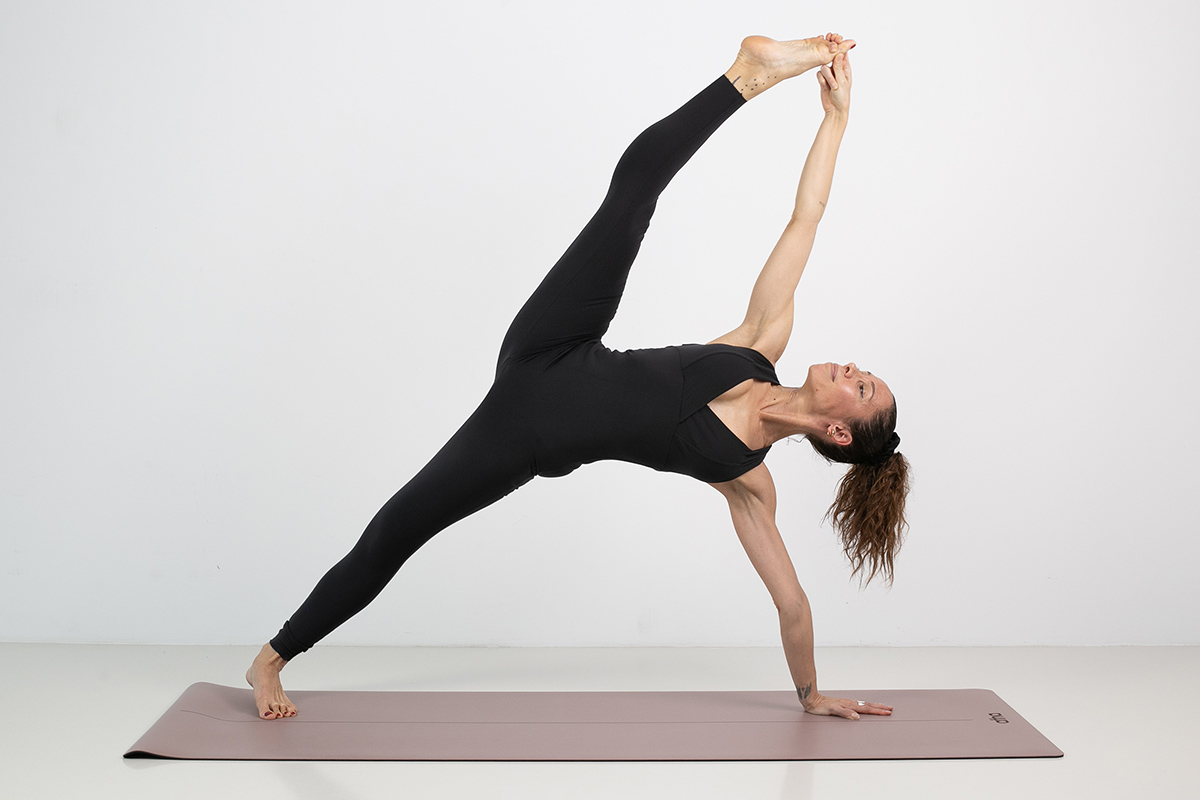
Examples of asanas: mountain pose (Tadasana), chair pose (Utkatasana), downward dog (Adho Mukha Svanasana), and a long etcetera.


2. Breathe properly with pranayamas to relieve anxiety.
The teachings of yoga remind us not to dwell on the past and not to worry about the future. Focusing your attention on the breath helps to free the mind from useless and negative thoughts, focusing on atha (अथ): The Present Moment.


3. Meditate to experience peace of mind.

Meditation can be an excellent method to relax an anxious mind, providing a feeling of calm and peace in the face of an unknown future. Anxiety triggers a spike in the adrenaline hormone, tightening the muscles, increasing sweating, and shaking the mind to no avail. Various scientific investigations have shown that a regular practice of meditation significantly reduces this hormone, linked to the feeling of stress.


4. Apply the philosophy of Yoga in your life, be happy and enjoy every moment.

Knowing the fundamental principles of Yoga helps to maintain a healthy and happy life. Adequate nutrition, small satisfactions, and a healthy and serene way of life help in the fight against stress and anxiety. The Yoga Sutras of Patanjali expose in a clear and detailed way all the steps to follow.


5. Sing, smile and keep the faith.

The singing of yoga sutras attracts positive energy and liberates the mind. Smiling and laughing releases endorphins, inspires confidence, boosts your immune system and relieves stress. Keep the faith. Believe and expect that good things will happen, and they will. 


6. Think about what you can do for others.

If we are constantly focused on ourselves, we add stress and anxiety to our lives. Yoga helps to shift your attention so that you can be useful to others. Investing time in others will be a source of satisfaction and joy.


7. Understand the impermanence of the world.

When, thanks to Yoga, you realize that everything around you is temporary and changing, you will find yourself more relaxed and serene inside. A feeling of “all this will pass” settles in your mind and thus frees you from sorrow and distress.


8. Remember a similar time in your life when you had to deal with anxiety.

Think back to situations in the past when you made it through something you thought was insurmountable. A pillar of Yoga is to rely on previous experiences to face the day to day and not project your desires and fears in the future. 


9. Spend time in nature.

The next time you feel overwhelmed by your busy and excited mind, spend some time in nature! You can hike in the mountains, spend time by the ocean, take a stroll through a nearby nature reserve, sit by a river, or just watch a bird in your yard.


Through these simple and effective methods, Yoga and Mindfulness will help you to efficiently combat anxiety and stress.


Original price was: €79,00.Current price is: €69,00.
Original price was: €39,00.Current price is: €29,00.

CORK Yoga Mats

85,00
Out of stock

CORK Yoga Mats

85,00

PRO X Yoga mats

109,00

PRO Yoga Mats

95,00

Yoga Blocks

16,00

PRO Travel Yoga Mats

79,00

Yoga Bags

39,00
Out of stock

Yoga Bags

39,00

Yoga Bags

39,00
Out of stock

PRO Yoga Mats

95,00

PRO Yoga Mats

95,00

PRO Travel Yoga Mats

Original price was: €79,00.Current price is: €69,00.

Yoga Blocks

19,00

Yoga Pads

Original price was: €39,00.Current price is: €29,00.

PRO Yoga Mats

95,00

Yoga Pads

Original price was: €39,00.Current price is: €29,00.

Meditation Cushions

69,00

Sadhu Boards

199,00
Posted in now

The Magic of Springtime

We found this beautiful article about the power of springtime on www.shamanism.com (https://www.shamanism.com/journal/power-of-springtime)

Out of stock

PRO Yoga Mats

95,00

Yoga Blocks

19,00

PRO Travel Yoga Mats

79,00

PRO Travel Yoga Mats

Original price was: €79,00.Current price is: €69,00.

Yoga Bags

39,00

PRO X Yoga mats

109,00

Yoga Pads

Original price was: €39,00.Current price is: €29,00.

PRO Yoga Mats

95,00

In the springtime, the Earth is waking up from her dream and everything bursts forth to grow. Think about the flowers and trees, how they awaken and come back to life in the spring. The rains fertilize Mother Earth and help the process of spring evolve. Water also fertilizes the hearts of humans causing the flower of the heart, the “tutu” to open, so we can become wiser and more beautiful. Our heart is dormant during the winter like everything in nature – resting. This is a good thing. It is being charged up to awaken and arise in the spring; as the earth is waking up, we too, wake up.

Spring brings back the power of light. Light, the relationship of the sun to the earth, is what helps define the seasons. Light has the effect of awakening both the Earth and people. The sun gives light to the earth. Light activates chemicals that promote love. Love is the power of springtime, and as Mother Earth wakes up, she exudes that love. The energy of love is thus reborn in the spring.

It is the same way with humans. The seasons affect us and we go through a major shift with the change of seasons. We are introspective in winter; energy goes inside. In the spring, we experience a rebirth – physically, spiritually, and emotionally – we gain new life.

Springtime affects your spirit; you are affected by Nature and the evolutionary processes that occur. Every spring you have a chance to be regenerated again, reborn from the stillness and quietness of winter. You have a chance to open up, just like everything around us. You can be reborn right here, on this Earth, by opening your heart to the process of regeneration. Feel the aliveness that comes into your own personal spirit, which is rooted in the spirit of nature.

We become part of the process of re-creation occurring during the springtime. We wake up, become more alert, our hearts are more open. It is a time of new beginnings; everything is fresh, clean and striving to grow upward toward the sun. In spring we transition from an introverted state to a state of physical and spiritual blossoming.

The light transforms us. It is a time of fertilizing, watering our spirits, and unfolding the pedals of our hearts. Honor the return of the light. Bring the light into your heart, your being. Look at the light in nature; become attuned to your environment. As we approach the Equinox, it is a time of balance between light and dark. By taking in the light we can achieve greater balance and harmony.

Walking on the earth is a good way to awaken your connection to the natural world. Feel Mother Earth waking up. Tune into nature and feel yourself becoming aware and alert during this season. Be aware of what’s happening around you and realize that same transition within yourself.

Approach spring as though it is the first time you ever experienced it – the first time you ever saw a flower, a tree growing, a bird flying. Open your heart to love, to beauty, to clarity. Leave the old behind and be reborn during the season of spring. East is representative of the spring season, the image of the sun peeking through the clouds. You are reborn as the sun is reborn each day. Each spring your spirit will burst out of the darkness of winter. Make your spirit bright like the colors of Nature. Feel the world through your heart. This is a time to leave behind old patterns, old ways of doing things, and embrace the power and beauty of new life.

Posted in now