The Yoga Sutras of Patanjali is a foundational text in the philosophy and practice of yoga. Written in Sanskrit by the sage Patanjali around 200 BCE–400 CE, the text is comprised of 196 sutras (aphorisms) divided into four chapters (padas). These succinct verses provide a comprehensive framework for understanding the nature of the mind, the practice of yoga, and the path to spiritual liberation (kaivalya). Below is an extensive summary of the key teachings in each chapter:
1. Samadhi Pada (On Contemplation)
The first chapter focuses on the nature of yoga and the concept of samadhi (the state of meditative absorption). It introduces the philosophy of yoga and lays the groundwork for understanding the ultimate goal of the practice: liberation from suffering.
Key Themes:
- Definition of Yoga:
- Sutra 1.2 defines yoga as “yoga chitta vritti nirodhah”, meaning “yoga is the cessation of the fluctuations of the mind.” This emphasizes that the essence of yoga lies in calming mental disturbances to achieve inner stillness.
- Obstacles to Yoga:
- Patanjali lists five kinds of mental fluctuations (vrittis): correct knowledge, misconception, imagination, sleep, and memory. The practice of yoga aims to still these fluctuations.
- Methods to Attain Stillness:
- Abhyasa (persistent practice) and vairagya (non-attachment) are identified as essential tools for mastering the mind.
- Samadhi (Meditative Absorption):
- Patanjali introduces the concept of samadhi, the deep meditative state where the practitioner experiences unity with the object of focus. There are two levels of samadhi:
- Samprajnata Samadhi: Meditative absorption with awareness and discernment.
- Asamprajnata Samadhi: A higher state of meditation without mental activity or differentiation.
- Patanjali introduces the concept of samadhi, the deep meditative state where the practitioner experiences unity with the object of focus. There are two levels of samadhi:
2. Sadhana Pada (On Practice)
The second chapter provides practical instructions on the discipline (sadhana) needed to control the mind and body. This chapter introduces the famous Ashtanga Yoga (Eightfold Path).
Key Themes:
-
Kriya Yoga (Yoga of Action):
- Patanjali introduces Kriya Yoga, a preliminary form of practice that involves:
- Tapas: Self-discipline or austerity.
- Svadhyaya: Self-study or study of sacred texts.
- Ishvarapranidhana: Surrender to a higher power.
- Patanjali introduces Kriya Yoga, a preliminary form of practice that involves:
-
The Kleshas (Afflictions):
- Patanjali identifies five mental afflictions (kleshas) that hinder spiritual progress:
- Avidya: Ignorance.
- Asmita: Egoism or the false sense of self.
- Raga: Attachment to pleasure.
- Dvesha: Aversion to pain.
- Abhinivesha: Fear of death or clinging to life.
- Yoga practice aims to overcome these afflictions and purify the mind.
- Patanjali identifies five mental afflictions (kleshas) that hinder spiritual progress:
-
The Eightfold Path (Ashtanga Yoga):
- The Ashtanga Yoga system is outlined as a step-by-step guide to achieving liberation:
- Yama (Ethical Disciplines): Universal moral codes, including non-violence, truthfulness, non-stealing, chastity, and non-possessiveness.
- Niyama (Personal Disciplines): Personal observances such as cleanliness, contentment, self-discipline, self-study, and surrender to a higher power.
- Asana (Posture): The practice of physical postures to develop strength, flexibility, and stability.
- Pranayama (Breath Control): Regulation of the breath to control the life force (prana).
- Pratyahara (Withdrawal of Senses): Turning inward by detaching from sensory distractions.
- Dharana (Concentration): Focusing the mind on a single point or object.
- Dhyana (Meditation): Sustained focus and contemplation.
- Samadhi (Absorption): Union with the object of meditation, leading to spiritual enlightenment.
- The Ashtanga Yoga system is outlined as a step-by-step guide to achieving liberation:
3. Vibhuti Pada (On Powers)
The third chapter describes the advanced stages of yoga practice and the extraordinary powers (siddhis) that can be attained through concentration and meditation.
Key Themes:
-
Samyama (Integration of Dharana, Dhyana, and Samadhi):
- Patanjali introduces samyama, the combined practice of concentration, meditation, and absorption. Through samyama, the practitioner gains deep insight and mastery over various aspects of reality.
-
Siddhis (Supernormal Powers):
- The text outlines numerous siddhis, or superhuman abilities, such as telepathy, invisibility, and levitation, which are said to arise as a byproduct of intense meditation and samyama.
- However, Patanjali warns against becoming attached to these powers, as they can distract the practitioner from the ultimate goal of liberation.
-
Mastery Over the Mind and Nature:
- The sutras explain how a yogi can transcend ordinary limitations and gain control over the mind, body, and environment through disciplined practice.
4. Kaivalya Pada (On Liberation)
The fourth and final chapter focuses on the state of liberation (kaivalya), the ultimate goal of yoga, and the nature of reality.
Key Themes:
-
The Nature of Liberation:
- Liberation is described as a state of pure awareness where the soul (purusha) is completely free from the influence of the material world (prakriti).
- In this state, the yogi attains self-realization and exists in unity with the divine.
-
Role of Karma:
- The text discusses how past actions (karma) influence the present, but through yoga practice, a practitioner can transcend the cycle of karma and its effects.
-
Dissolution of the Ego:
- Liberation involves the dissolution of the ego and the realization that the true self is separate from the fluctuations of the mind.
-
The Goal of Yoga:
- The ultimate goal of yoga is kaivalya, a state of absolute independence and freedom where the soul exists in its pure, unconditioned form.
Conclusion
Patanjali’s Yoga Sutras is a timeless guide to understanding the mind, overcoming suffering, and achieving spiritual liberation. By outlining a systematic approach to yoga through ethical principles, physical and mental discipline, and meditative practices, Patanjali provides a roadmap for transforming one’s life.
The text emphasizes that yoga is not just a physical practice but a holistic path to self-realization, urging practitioners to embrace the present moment, transcend ego-driven attachments, and align with the deeper truths of existence. Through its profound teachings, the Yoga Sutras continues to inspire seekers on their journey toward inner peace and ultimate freedom.


PRO X Yoga mats


PRO X Yoga mats


PRO X Yoga mats

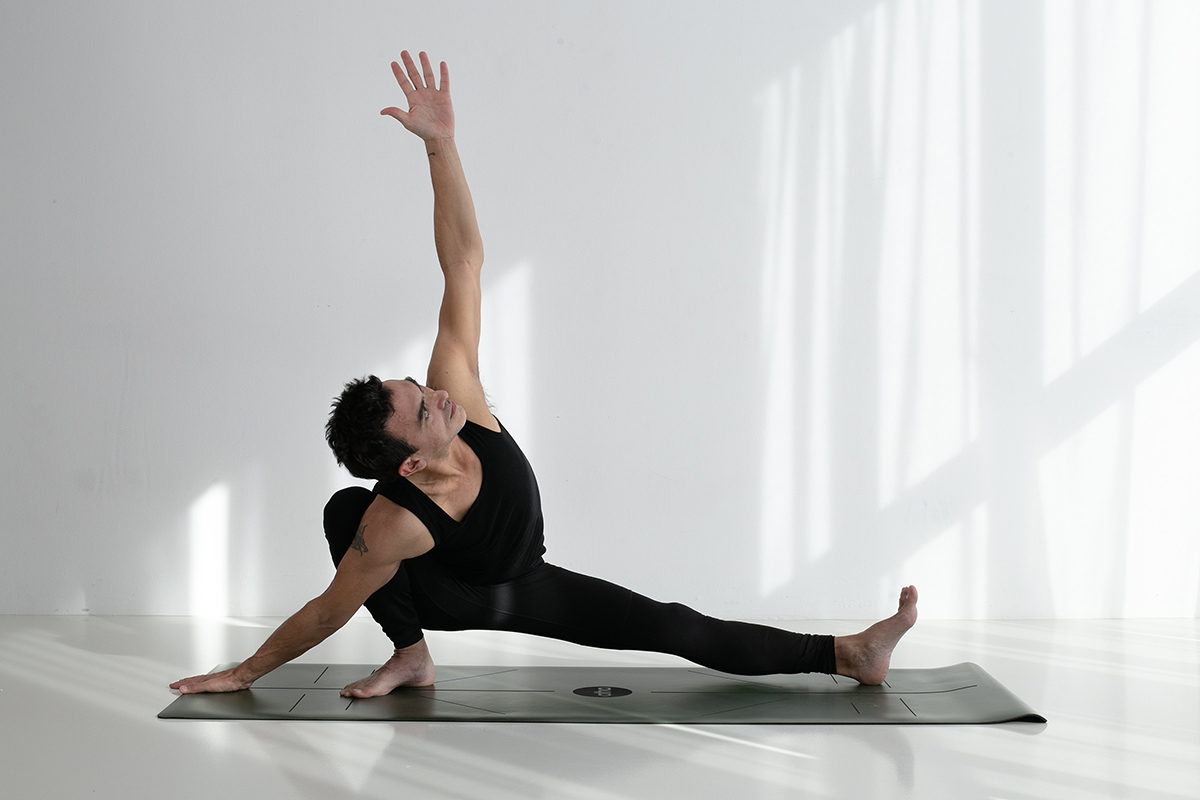
PRO X Yoga mats


PRO X Yoga mats


PRO Travel Yoga Mats


Meditation Cushions


Meditation Cushions